Newfoundland Impaired Riding Penalties
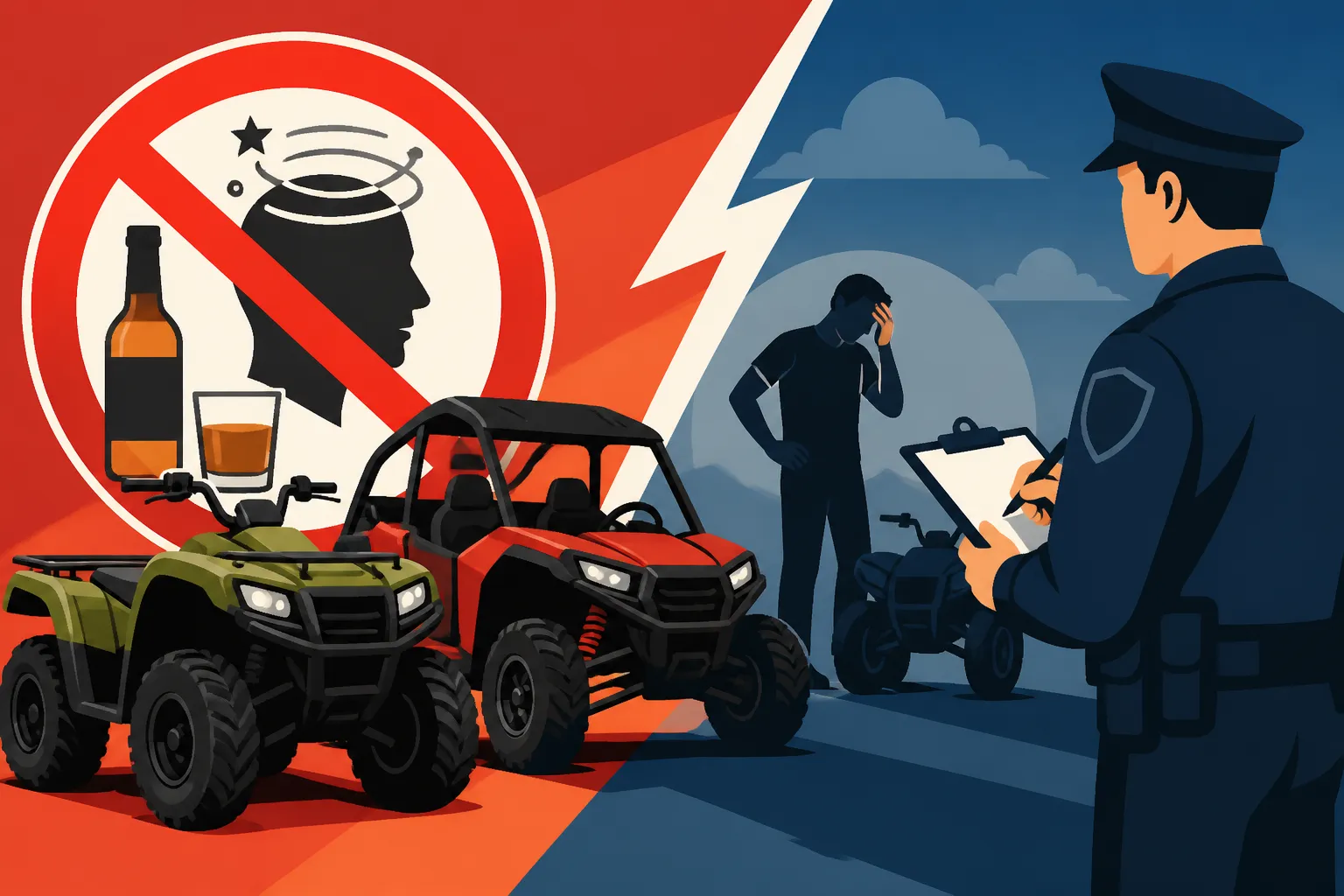
It's easy to fall into the trap of thinking that once you're out on the wide-open barrens or deep in the woods, the rules somehow become less strict, especially when it comes to having a few drinks or partaking in other substances. This couldn't be further from the truth for off-road vehicle (ORV) operators in Newfoundland. Impaired riding carries some of the heaviest penalties under the province's Off-Road Vehicles Act, mirroring the serious consequences of impaired driving on paved roads. This guide will meticulously lay out the harsh realities, immediate repercussions, and long-term consequences you face if caught riding impaired, underscoring why it's never worth the risk.
The Harsh Reality of Impaired Riding Charges in Newfoundland
When you're out enjoying the stunning landscapes of Newfoundland on your ATV, UTV, or snowmobile, it's natural to feel a sense of freedom and detachment from the strict rules of urban life. However, this feeling can lead some riders to believe that the laws around impaired operation don't apply as rigorously in the wilderness. It's a dangerous misconception that can lead to life-altering consequences, both legally and personally.
Why "Off-Road" Doesn't Mean "Off-Limits" for Impaired Driving Laws
The province of Newfoundland and Labrador takes impaired operation very seriously, regardless of whether you're behind the wheel of a car on the Trans-Canada Highway or at the controls of an ATV deep on a cabin road. The Off-Road Vehicles Act, specifically [Newfoundland's Off-Road Vehicles Act], is quite clear: operating an off-road vehicle while your ability is impaired by alcohol or drugs is an offense with severe penalties. There's no special exception for the trail. Peace officers, including the Royal Newfoundland Constabulary (RNC) and the RCMP, along with wildlife and forestry enforcement officers, have the authority to stop and investigate ORV operators. This means that a quiet ride to your fishing spot or cabin could quickly become a nightmare if you've consumed substances that impair your judgment or reaction time. The legal framework used to prosecute impaired driving on highways is essentially the same one applied to ORVs, emphasizing the province's commitment to public safety across all vehicle types. This unified approach means that the consequences you face are just as significant, regardless of the terrain you're on.
The intent behind these strict regulations isn't to diminish your enjoyment of our beautiful province, but to ensure everyone's safety. Impaired operation significantly increases the risk of accidents, not only for the rider but also for passengers, other trail users, and even bystanders. A moment of poor judgment can lead to serious injury, property damage, or even fatalities. Many of us have seen the tragic outcomes of impaired driving, and the province is proactive in extending that protection to the off-road environment. So, while you might feel miles away from civilization, the law is always riding with you.
What Constitutes Impaired Operation on an ORV
Understanding what "impaired operation" truly means is crucial. It's not just about having a certain blood alcohol content (BAC) level, although that's certainly a factor. In Newfoundland, as in the rest of Canada, you can be charged with impaired operation if your ability to operate the vehicle is affected to any degree by alcohol, drugs, or a combination of both. This means that even if you feel "fine" or "in control," an officer's observations of your riding, coordination, speech, or even the smell of alcohol could lead to an impairment charge. It's about how the substance affects your capacity to safely operate the machine.
Officers are trained to look for various signs of impairment, which might include erratic riding patterns, difficulty with balance, delayed reactions to commands, slurred speech, or bloodshot eyes. If they suspect impairment, they can demand a breath sample or require you to perform standardized field sobriety tests (SFSTs). These tests are designed to assess your coordination and cognitive function under pressure. Refusing to comply with these demands also carries significant penalties, often equivalent to or even more severe than, a conviction for impaired operation itself. It's a "lose-lose" situation if an officer suspects impairment and you don't cooperate. Even if your off-road machine is equipped with top-of-the-line components from a brand like SuperATV, designed for enhanced control and performance, it cannot compensate for impaired judgment. The law is concerned with the operator's state, not the machine's capabilities.
Immediate Consequences at the Trailhead
The moment a peace officer suspects you're riding an ORV while impaired, the immediate fallout can be swift and severe. This isn't just a friendly warning or a slap on the wrist; the actions taken by law enforcement at the scene can immediately disrupt your ride and introduce a host of costly problems.
Machine Seizure and Impoundment
One of the most immediate and impactful consequences of being charged with impaired ORV operation in Newfoundland is the seizure and impoundment of your machine. When an officer determines you are impaired, they have the authority to take your ATV, UTV, or snowmobile into custody right there on the trail, the barrens, or whatever piece of land you're on. This isn't just about taking your keys; your prized possession is physically removed and stored at an impound lot. You won't be allowed to simply call a friend to pick it up or leave it parked by the side of the trail. This can be particularly jarring if you're deep in the wilderness, far from any road access. The officer will arrange for a tow, and suddenly, your adventure has come to a screeching halt, leaving you stranded.
Getting your machine back is not a simple or inexpensive process. You'll be responsible for all associated costs, including towing fees, daily storage fees at the impound lot, and any administrative fees imposed by the province or municipality. These charges can add up very quickly, sometimes costing hundreds or even thousands of dollars before you ever step foot in a courtroom. Many riders invest heavily in their machines, perhaps equipping them with a SuperATV lift kit or specialized tires for enhanced performance and capability. To have such a significant investment suddenly held hostage by impound fees, not to mention the potential for damage during towing or storage, is a harsh reality. Understanding [Newfoundland Machine Seizure Rules] and [Newfoundland Early Release Fees] becomes critical, as these charges are incurred whether you're ultimately convicted or not; they are a direct consequence of the charge itself.
Licence Suspension and Driving Prohibitions
Another immediate consequence that hits hard is the impact on your driving privileges, which extends beyond just your ORV. In Newfoundland, an impaired riding charge can trigger an immediate roadside suspension of your regular driver's licence. This means that even if you were planning to drive your truck home from the trailhead after your ride, you won't be legally permitted to do so. Your licence can be suspended on the spot, leaving you in a difficult situation and potentially facing additional charges if you attempt to drive a highway vehicle. This immediate suspension is a clear signal of how seriously the province views impaired operation, regardless of the type of vehicle.
Beyond the immediate roadside suspension, a conviction for impaired ORV operation will lead to a lengthy driving prohibition, affecting all classes of vehicles you are licensed to operate. This isn't limited to just your ORV; it means you cannot drive your car, truck, or motorcycle on public roads either. The length of this prohibition can vary depending on whether it's a first, second, or subsequent offense, but even a first offense typically results in a minimum one-year driving ban. For many people, losing their driving privileges has profound implications for their work, family responsibilities, and overall independence. It forces you to rely on others for transportation, adding stress and inconvenience to your daily life. The ripple effect of an impaired riding charge can be felt for years, long after the immediate incident has passed, completely altering your routine and access to necessary services.
The Financial Burden of an Impaired Riding Conviction
While the immediate consequences like machine seizure and licence suspension are a sharp shock, the financial toll of an impaired riding conviction stretches far beyond the initial incident. This isn't just a simple fine; it's a complex web of fees, increased costs, and long-term financial strain that can significantly impact your budget for years to come.
Fines, Court Costs, and Surcharges
Upon conviction for impaired ORV operation, you will face substantial fines. These fines are not trivial; they are designed to be a significant deterrent. While specific amounts can vary based on the nature of the offense, the level of impairment, and whether it's a first or repeat offense, they typically range from hundreds to thousands of dollars. We're talking about figures that could easily fund several years of ORV accessories, perhaps even a whole new winch or light bar from SuperATV. On top of the base fine, you'll also be responsible for court costs and victim surcharges, which are additional mandatory fees imposed by the justice system. These add a significant amount to the total bill, making the initial fine only part of the financial picture. Understanding [Newfoundland Fine Ranges by Offence] gives you a glimpse into the scale of these financial penalties, which are among the highest in the Off-Road Vehicles Act.
It's important to realize that these court-imposed financial penalties are just the beginning. The legal process itself can incur considerable costs. If you choose to hire a lawyer to represent you, which is highly advisable given the severity of the charges, legal fees can quickly accumulate into thousands of dollars. Navigating the complexities of the justice system, attending court dates, and potentially preparing for a trial all come with a price tag. Even if you choose to represent yourself, you'll still lose time from work, incur travel expenses, and face the emotional toll of dealing with the legal system. The cumulative effect of fines, surcharges, and legal expenses creates a heavy financial burden that can set back your personal finances for a significant period.
Insurance Implications and Increased Premiums
Perhaps one of the most enduring financial consequences of an impaired riding conviction is the devastating impact on your insurance. Your vehicle insurance premiums, for both your ORV and your highway vehicles, will almost certainly skyrocket. Insurance companies view impaired operation convictions as a massive indicator of high risk, and they will adjust your rates accordingly. Many riders might initially think that their ATV insurance is separate from their car insurance, but an impaired driving conviction, even if it occurred on an ORV, often affects all your personal insurance policies because it reflects on your overall driving record and risk profile. The increase in premiums can be astronomical, lasting for many years, sometimes for a decade or more.
In some cases, you might even find it difficult to secure insurance coverage at all. Some insurance companies may refuse to insure you, forcing you to seek out high-risk insurance providers, which come with even steeper premiums. This isn't just a minor inconvenience; it's a fundamental shift in your financial landscape related to vehicle ownership. Consider the cost of your annual insurance now, and then imagine that figure doubling or tripling for the foreseeable future. This long-term financial hit from increased insurance premiums can easily outweigh the initial fines and court costs, making an impaired riding conviction one of the most expensive mistakes you can make as a vehicle operator in Newfoundland. It's a constant, painful reminder of the choices made on that day, affecting your ability to affordably drive any vehicle, whether it's your daily commuter or your weekend trail machine. For more on this, you can look into [Newfoundland Liability Limits Explained], as your ability to even get the minimum coverage might be impacted.
Beyond the Fines: Long-Term Repercussions
While the immediate penalties and financial burdens are significant, an impaired riding conviction in Newfoundland casts a much longer shadow, impacting aspects of your life that extend far beyond your wallet or your ability to operate a vehicle. These long-term repercussions can fundamentally alter your opportunities and freedom, making the initial decision to ride impaired even more regrettable.
Criminal Record and Employment Impacts
It's crucial to understand that impaired operation, whether on a highway or an ORV, is a criminal offense under the Criminal Code of Canada. This isn't just a provincial traffic ticket; it results in a criminal record. A criminal record is a permanent black mark that can follow you for the rest of your life, impacting various aspects of your personal and professional future. One of the most common and immediate impacts is on international travel. Many countries, most notably the United States, have strict entry requirements and can deny entry to individuals with criminal convictions, including impaired driving offenses. That spontaneous trip across the border for a shopping spree or a vacation could become impossible, forcing you to apply for waivers or face being turned away at the border.
Furthermore, a criminal record can severely limit your employment opportunities. Many employers conduct background checks, especially for positions that involve driving, handling money, working with vulnerable populations, or require a high level of trust and responsibility. A conviction for impaired operation can make it incredibly difficult to secure new employment or even maintain your current job, particularly if driving is a component of your role. Professions requiring professional licenses or certifications might also be at risk, as regulatory bodies often review criminal records. This isn't just about losing a potential job; it's about the doors that close permanently, affecting your career trajectory and financial stability for years to come. The stigma of a criminal record can also have social and psychological impacts, affecting your self-esteem and relationships.
Mandatory Education and Treatment Programs
As part of an impaired riding conviction, you will almost certainly be ordered to participate in mandatory education and/or treatment programs. These programs are designed to address the root causes of impaired driving and to educate individuals on the dangers and consequences of their actions. While the specific programs and their durations can vary, they all require a significant commitment of your time and attention. These aren't optional; they are a condition of your sentence and often a prerequisite for getting your driving privileges reinstated. Missing sessions or failing to complete the program successfully can lead to further legal complications and delays in getting your licence back.
These programs also come with their own costs, which you, as the convicted individual, will be responsible for covering. These fees add another layer to the already substantial financial burden incurred by fines, legal fees, and increased insurance premiums. Beyond the financial and time commitments, there's also the emotional and psychological toll of attending such programs. They are often intensive and can be a source of stress and embarrassment. Additionally, for repeat offenders or in cases of severe impairment, you may be required to have an ignition interlock device installed in your vehicle for a specified period once your licence is reinstated. This device prevents your vehicle from starting if it detects alcohol on your breath, adding further inconvenience, cost, and a constant reminder of your past actions. These programs are part of the broader [Newfoundland Impaired Riding Consequences] aimed at rehabilitation and preventing future offenses.
Preventing Impaired Riding and Protecting Your Adventures
Ultimately, the best way to avoid the devastating consequences of impaired riding is simply not to do it. Responsible riding isn't just about following the rules of the trail; it's about making smart, sober choices before you even start your engine. Protecting your freedom, your finances, and your future adventures starts with prevention.
Planning Ahead: Designated Riders and Transportation
One of the simplest and most effective strategies to prevent impaired riding is to plan ahead. If you anticipate consuming alcohol or other substances during an ORV outing, make arrangements beforehand. This could involve designating a sober rider who agrees to abstain from any impairing substances and be responsible for operating the machine for the entire trip. This person becomes the designated driver of the trails, ensuring everyone gets back safely. Communication is key here; make sure everyone in your group understands and agrees to this plan before the adventure begins. Having a SuperATV cooler on your machine is great for refreshments, but it should contain only non-alcoholic options if you're the one riding.
Another option is to arrange for alternative transportation to and from your riding location. If your cabin is accessible by vehicle, you could have a sober friend or family member drive their truck to pick up your machine and yourselves. In some more remote areas, this might be challenging, but it's a critical consideration. Think about your entire journey, from leaving home to returning, and ensure that every leg of that journey is managed by someone who is sober and legally capable of operating the necessary vehicles. This foresight not only prevents legal trouble but also ensures a safer and more enjoyable experience for everyone involved. For groups, consider creating a rotating schedule for designated riders, so everyone gets a turn to relax responsibly. It's a small sacrifice for a huge gain in safety and peace of mind.
The Importance of Sober Judgment on the Trails
Riding an off-road vehicle, whether it's an ATV, UTV, or snowmobile, demands a high level of concentration, quick reflexes, and sound judgment. The terrain in Newfoundland can be unpredictable, with sudden dips, turns, obstacles, and changing surface conditions. Impairment by alcohol or drugs significantly diminishes your ability to react appropriately to these challenges. Your perception of speed, distance, and hazards is compromised, and your decision-making skills are dulled. Even a small amount of impairment can turn a routine trail into a dangerous obstacle course. This is true whether you're navigating a narrow woods road or traversing vast, open barrens.
Think about the technical skills required for riding: maintaining balance, anticipating shifts in terrain, judging traction, and reacting to sudden movements from wildlife or other riders. All these complex tasks are severely degraded by impairment. An impaired rider is not only a danger to themselves but also to any passengers they carry, other riders on the trail, hikers, and even the natural environment. Accidents caused by impaired riding can lead to serious injuries, permanent disabilities, or even fatalities. Beyond the legal consequences, living with the knowledge that your impaired decision caused harm to yourself or others is a burden no one should have to bear. Prioritizing sober judgment ensures that you can fully enjoy the thrill and beauty of Newfoundland's wilderness while staying safe and responsible. Remember, even with the best aftermarket parts, like those from SuperATV, your machine's capabilities are only as good as the sober judgment of the operator. Always carry [Newfoundland Insurance Requirements for Riders] and your safety certificate, as officers can ask for them during a stop.
| Offence Type (Impaired Operation) | Immediate Consequences | Judicial Penalties (Post-Conviction) | Licence Impact | Vehicle Impact | Other Repercussions |
|---|---|---|---|---|---|
| First Offence | Machine Seizure, Roadside Licence Suspension | Significant Fine, Court Costs, Surcharges | Minimum 1-Year Prohibition (all vehicles) | Seizure & Impoundment Fees | Criminal Record, Mandatory Education Program, Increased Insurance Premiums |
| Second Offence | Machine Seizure, Roadside Licence Suspension | Larger Fine, Court Costs, Surcharges, Potential Jail Time | Minimum 3-Year Prohibition (all vehicles) | Seizure & Impoundment Fees | Criminal Record, Mandatory Education/Treatment, Interlock Device Requirement, Significantly Higher Insurance Premiums |
| Subsequent Offence | Machine Seizure, Roadside Licence Suspension | Much Larger Fine, Court Costs, Surcharges, Longer Jail Time | Minimum 5-Year Prohibition (all vehicles) | Seizure & Impoundment Fees | Criminal Record, Mandatory Education/Treatment, Interlock Device Requirement, Extremely High or Unobtainable Insurance, Employment Barriers |
Disclaimer
This article is for general informational purposes only and does not constitute professional advice. Laws, prices and regulations vary by location and change over time. Consult a qualified professional for guidance on your specific situation.