Newfoundland Plates Kept Free of Mud
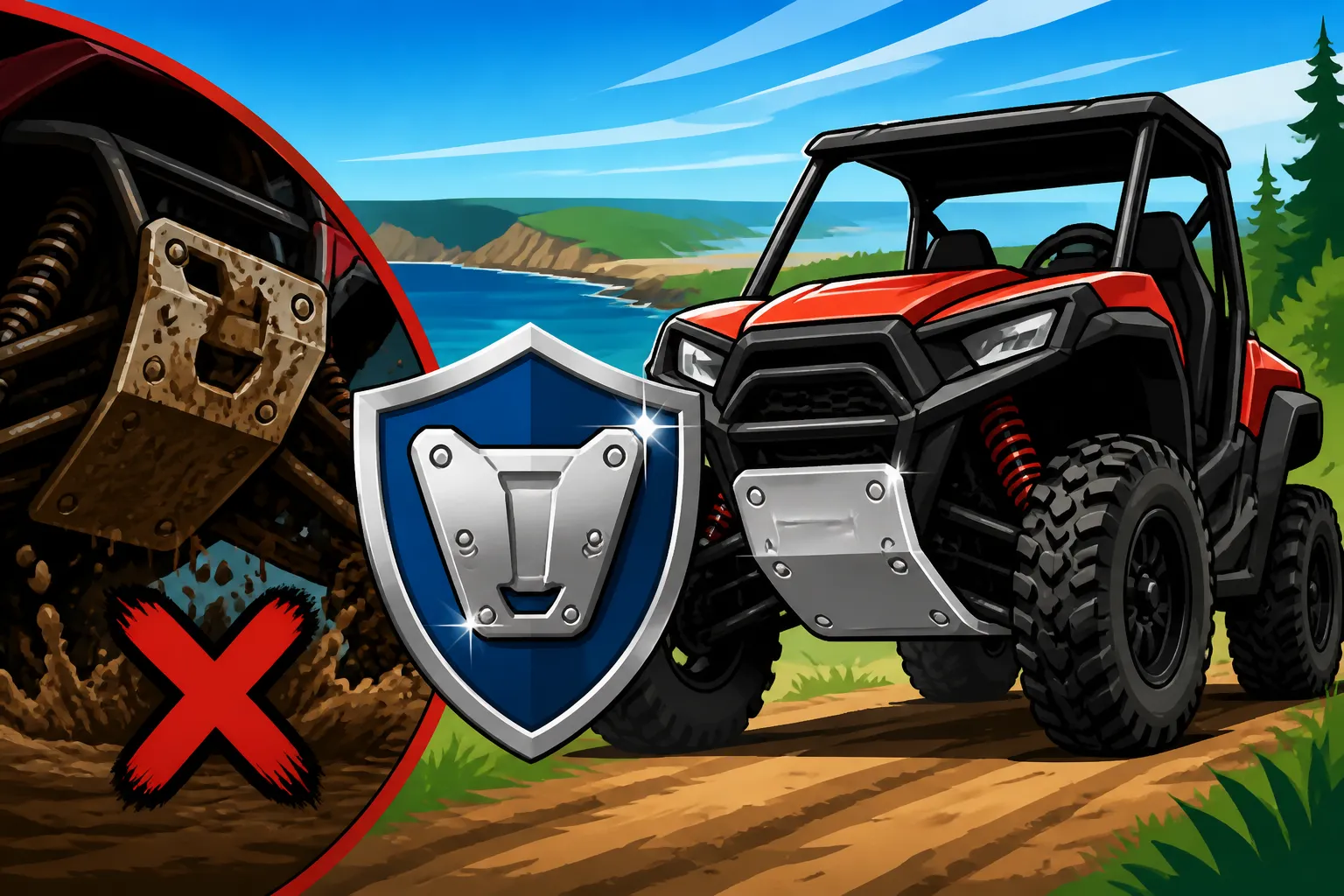
We've all been there, haven't we? You've just finished an epic ride through Newfoundland's incredible landscapes, your ATV or side-by-side is caked in mud, and then it hits you: "Is my registration plate even visible?" It's a common struggle in a province known for its rugged, beautiful, and often very mucky terrain. But keeping that little piece of metal clean isn't just about appearances; it's a legal requirement with real implications for every rider. This guide is going to dive deep into why keeping your Newfoundland ORV plate free of mud and obstructions is so important, the challenges you'll face, and practical ways to keep it legible, so you can ride with peace of mind.
The Non-Negotiable Necessity: Why a Clean Plate Matters
Riding an off-road vehicle in Newfoundland is an experience unlike any other, offering freedom and connection to our incredible natural environment. However, with that privilege comes responsibility, and a big part of that is ensuring your machine is legally compliant. An often-overlooked but critically important aspect of compliance is maintaining a visible and legible registration plate. It's not just a suggestion; it's a cornerstone of responsible riding.
The Letter of the Law: Newfoundland's Off-Road Vehicles Act
Let's start with the basics. Newfoundland has specific regulations outlined in [Newfoundland's Off-Road Vehicles Act] that govern how off-road vehicles (ORVs) are registered, operated, and maintained. Among these regulations is a clear mandate that your ORV's identification plate must be clearly visible and legible at all times when the vehicle is in operation. This isn't just about preventing scofflaws; it's about ensuring that every machine on our trails and roads can be identified if needed.
Think about it: if your plate is obscured by a thick layer of bog mud, it's impossible for enforcement officers to verify your registration, or for anyone else to identify your machine. The Act aims to create a safer, more accountable riding environment for everyone, and a clean plate is a fundamental part of that system. It's about knowing who's out there and ensuring everyone is playing by the same rules.
Safety and Accountability on the Trail
Beyond legal compliance, a visible plate plays a crucial role in overall safety and accountability within our riding community. Imagine a scenario where you or another rider is involved in an accident, or perhaps a machine breaks down in a remote area. A clearly visible plate allows for quick identification, which can be absolutely vital in emergency situations. First responders, other riders, or even search and rescue teams can use that registration information to locate owners or identify machines involved.
Furthermore, a clean plate helps foster a sense of responsibility among riders. When your plate is visible, you're more likely to ride responsibly, knowing that your actions can be attributed to your registered machine. This accountability contributes to better trail etiquette, reduces instances of illegal or reckless riding, and helps protect the pristine environments we all cherish. It's a small detail that makes a big difference in maintaining a positive reputation for the ORV community.
Avoiding Unnecessary Encounters with Enforcement
Let's be honest, no one wants to be pulled over or stopped by an enforcement officer when they're out enjoying a ride. A dirty, obscured, or missing registration plate is one of the quickest ways to draw unwanted attention. Officers are tasked with enforcing [Newfoundland's Off-Road Vehicles Act], and a key part of their job is to ensure all ORVs are properly registered and identified. If they can't see your plate, they have every right to stop you to investigate.
This isn't about officers trying to ruin your day; it's about them doing their job to keep our trails safe and regulated. An obscured plate immediately raises a red flag. What might seem like a minor inconvenience – a bit of mud on the plate – can quickly lead to a roadside stop, verification of your registration, and potentially a fine. It's far easier and less stressful to take a moment to ensure your plate is clean and visible before you head out, saving yourself potential hassle and allowing you to enjoy your ride uninterrupted.
Newfoundland's Terrain: The Ultimate Plate-Muddifying Machine
Ah, Newfoundland! Our island is famous for its stunning coastlines, dense forests, and vast barrens. While these landscapes offer unparalleled riding opportunities, they also present some unique and formidable challenges when it comes to keeping your ORV clean, especially that all-important registration plate. We embrace the dirt, the dust, and the bog, but we also need to acknowledge how they impact our compliance.
The Infamous Bog, Mud, and Water Crossings
If you've ridden an ATV or UTV in Newfoundland for more than five minutes, you've encountered our signature terrain: the bog. Our bogs are notorious for their deep, sticky, and often inescapable mud, not to mention the numerous water crossings that can turn a leisurely ride into an adventurous splash zone. And where does all that water and mud go when your tires spin and churn? Often, it sprays directly onto the rear of your machine, right where your registration plate is mounted.
The fine particles of peat, combined with the often-clay-rich soil, create a grime that seems purpose-built to adhere to anything it touches. After just a few minutes in these conditions, what was once a gleaming white plate can become an indistinguishable brown rectangle. It's part of the fun, yes, but it’s also the primary culprit behind obscured plates here on the Rock.
Coastal Trails, Forest Paths, and Gravel Spray
While the bog gets a lot of the attention, other types of Newfoundland terrain contribute significantly to plate obscurity. Many of our trails follow old logging roads, gravel paths, or wind through dense forest. On these trails, you're not just dealing with mud. Dust, especially during dry spells, can create a fine, persistent coating that renders numbers and letters unreadable. Riding in a group on a dry gravel road can quickly turn your plate opaque from the sheer volume of dust kicked up by machines ahead.
Then there's the gravel itself. Loose stones and debris, particularly on fast-moving sections, can be flung backward, not only coating your plate but potentially scratching or even damaging it. The combination of these elements means that even if you avoid the deepest bogs, your plate is constantly under siege from nature's grime, creating a continuous challenge for visibility. [Newfoundland Riding Season and Weather] can drastically change what kind of mess you'll be dealing with.
Seasonal Challenges for Plate Visibility
Newfoundland's varied climate means that the challenges to plate visibility shift with the seasons. Spring, with its melting snow and heavy rains, is undoubtedly "mud season." This is when the bogs are at their fullest, and the trails are softest, leading to maximum plate-muddifying potential. Summer brings drier conditions, but with that comes dust, which can settle just as effectively over your plate as mud.
Fall riding, beloved for its vibrant colours, can also bring heavy rains, reintroducing mud and slick conditions. And then there's winter. While snow might seem cleaner, slush, ice, and road salt (if you're near treated surfaces) can quickly obscure plates, sometimes even freezing over them. Each season presents its own unique brand of grime, underscoring the need for consistent awareness and proactive measures regardless of when you ride.
Strategies for a Spotless (or at least Legible) Plate
Given the formidable challenges our Newfoundland terrain throws at us, simply hoping for the best isn't a viable strategy for keeping your plate clean. Responsible riders employ a combination of smart setup, protective accessories, and diligent cleaning routines to ensure their plates remain visible. It's about being proactive, not reactive.
Strategic Plate Placement and Mounting
Often, the factory-installed location for your ORV's registration plate isn't the most practical spot for Newfoundland's conditions. These locations are frequently low on the rear fender, directly in the line of fire for mud and water spray from the rear tires. One of the most effective strategies is to reconsider [Newfoundland Plate Placement on a Quad] or side-by-side.
Many riders choose to relocate their plates to a higher, more sheltered position on the machine. This might involve custom brackets that raise the plate above the main spray zone, or mounting it more vertically on a cargo rack. While this might require a bit of DIY ingenuity, or investing in aftermarket relocation kits, the benefit of having a consistently cleaner plate can be well worth the effort. Just be sure that any new placement still allows for clear visibility from all angles and doesn't obstruct any lights or other essential components.
Aftermarket Protection Solutions
Beyond relocation, there are several aftermarket accessories designed specifically to protect your registration plate from the elements. Transparent plate covers, made from durable, impact-resistant plastics, can shield your plate from direct mud splashes, scratches, and flying debris. While they still require cleaning, they prevent the mud from permanently caking onto the plate itself, making cleanup easier.
Another popular solution involves installing mud flaps or fender extensions. These are designed to widen or extend your machine's existing fenders, effectively redirecting mud, water, and gravel spray away from the rear of the vehicle, and by extension, away from your plate. Some riders even fashion their own temporary mud flaps from flexible materials for particularly mucky rides. Combining strategic placement with a good protective cover or mud flap can significantly increase your plate's legibility throughout your ride.
The Art of the Post-Ride Clean and Pre-Ride Check
Even with the best protection, riding in Newfoundland virtually guarantees some level of grime will find its way to your plate. This is where consistent cleaning habits come in. Making plate cleaning an integral part of your post-ride routine, along with a quick pre-ride check, is essential. After every ride, take a moment to specifically clean your plate. A simple wipe-down with a damp cloth or a quick spray with a hose can remove most fresh mud and dust. For more stubborn grime, a gentle brush and some soapy water will usually do the trick.
But it's not just about the post-ride clean. Before every single ride, take a minute to visually inspect your plate. Is it clean? Is it securely fastened? Is it unobstructed by any cargo or accessories? A quick wipe before you even leave the driveway can save you a potential headache on the trail. This habit ensures that you're always starting your adventure with a legally compliant and visible plate, giving you peace of mind from the get-go.
The Consequences of an Obscured Plate
It’s easy to think of an obscured plate as a minor issue, a simple oversight on a fun day out. However, under [Newfoundland's Off-Road Vehicles Act], it’s a violation that can carry real weight, both financially and in terms of the time and stress it can cost you. Understanding these consequences isn't about scaring anyone; it's about empowering riders with knowledge so they can avoid these pitfalls entirely.
Understanding the Fines and Penalties
The most immediate consequence of riding with an unreadable registration plate is the potential for a fine. While I can't give specific dollar amounts, fines for violations under the Off-Road Vehicles Act can vary depending on the specific circumstances and the officer's discretion. What might seem like a small detail can result in a significant financial hit, especially if other issues are found. It's money that could be spent on fuel for more adventures, or perhaps that new accessory you've been eyeing, instead of a penalty.
These fines are designed to encourage compliance and responsible behaviour. An obscured plate falls under the umbrella of identification requirements, and just like other [Newfoundland Fine Ranges by Offence], these penalties exist to uphold the integrity of the ORV registration system. It’s a simple reminder that the pleasure of riding comes with the responsibility of adhering to the rules that keep our community safe and regulated.
Potential for Further Scrutiny
An obscured plate rarely results in just a simple ticket. More often than not, it serves as an initial flag for law enforcement. When an officer observes an unreadable plate, it's a legitimate reason for them to initiate a stop and conduct further checks. This means they might then want to verify your registration documents, ask for [What an Officer Can Ask You to Produce] such as your proof of insurance, and check your machine for other compliance issues like proper safety equipment or modifications.
What began as a quick wipe-down forgotten can evolve into a prolonged stop, where you'll need to produce your [Newfoundland Registration Paperwork Explained] and your [Newfoundland Insurance Proof Within Two Days]. This can be inconvenient, time-consuming, and frankly, stressful. It takes away from the joy of your ride and puts you in a position of having to justify yourself. Ensuring all your paperwork is in order, from your current registration to proof of insurance, is always a smart move. Tools like LawDepot can help ensure you have properly formatted documents, such as a bill of sale or an affidavit, should any questions arise about your machine's history. Being fully prepared can certainly ease the tension if you ever find yourself in such a situation.
Implications for Transfer of Ownership and Registration
While a dirty plate won't directly invalidate your machine's registration, a history of non-compliance can certainly complicate things down the line, particularly when it comes to [Newfoundland Transfer of Ownership Explained]. If you've received fines for obscured plates, or if your machine has been stopped repeatedly for identification issues, it could raise questions about your stewardship of the vehicle. When you eventually decide to sell your machine, having a clear history and well-documented ownership is crucial. A clean plate is part of showing good stewardship.
Maintaining a clean and visible plate is part of demonstrating responsible ownership throughout the life of your ORV. This attention to detail can make the process smoother for both the buyer and seller, ensuring there are no lingering doubts about the machine's legal status or maintenance history. You can find reliable templates for documents like a bill of sale or ownership transfer agreements through platforms like LawDepot, making the process smoother for both buyer and seller. After all, nobody wants to inherit someone else’s compliance headaches.
Best Practices for Long-Term Plate Legibility
Keeping your ORV plate clean and visible isn't a one-time fix; it's an ongoing commitment that becomes second nature for seasoned riders. By adopting a few best practices and making them part of your regular routine, you can ensure you're always compliant and ready for your next adventure without worry.
Proactive Maintenance and Inspection
The golden rule for long-term plate legibility is proactive maintenance. This means integrating your plate into your routine checks, not just when you notice it's caked in mud. Before every single ride, make it a habit to quickly inspect your registration plate. Is it clean? Is it securely fastened? Are there any cracks in a protective cover that might let mud seep in?
This quick visual check takes mere seconds but can save you a lot of grief. If you see signs of wear on your mounting hardware, tighten it. If your transparent cover is scratched to the point of obscuring the plate, consider replacing it. By making these small, consistent efforts, you're not just reacting to problems; you're preventing them, ensuring your plate is always ready for inspection and legible to anyone who needs to see it.
Educating Fellow Riders and the Community
Responsible riding is a collective effort. We're all part of the Newfoundland ORV community, and sharing knowledge and best practices benefits everyone. If you see a fellow rider with an obscured plate, a friendly reminder can go a long way. It's not about being preachy, but about looking out for each other and promoting responsible behaviour on our trails.
Many local ATV and snowmobile clubs actively promote safe and compliant riding, and plate visibility is often a topic of discussion. By participating in these conversations, sharing your own tips and tricks for keeping plates clean, and leading by example, you contribute to a stronger, more responsible riding community. After all, the better our collective reputation, the more we can all enjoy our incredible trails.
Documentation and Proof of Ownership
Beyond the physical plate itself, ensuring you have immaculate documentation for your ORV is another layer of smart practice. Even if your plate is spotless, you still need to be able to produce your registration documents if requested. Keeping clear and accessible records of your machine's ownership, registration, and maintenance is always a smart move. Should you ever need to clarify anything about your ATV or UTV's history, having proper documentation on hand is essential.
This can be particularly important for things like [Newfoundland Sworn Affidavits and Indemnity Forms] if there are ever questions about your chain of ownership, or simply having a clear bill of sale when buying or selling. Resources like LawDepot offer templates for various legal documents, from bills of sale to affidavits, which can be incredibly useful for maintaining a pristine paper trail for your off-road vehicle. This comprehensive approach ensures that both your physical plate and your paper trail are always in perfect order.
Here's a quick look at various approaches to keeping your plate visible:
| Plate Protection Method | Pros | Cons | Best For |
|---|---|---|---|
| Stock Placement | No extra cost, standard look | Highly exposed to mud/debris, often low | Riders who primarily stick to dry, clean trails |
| Relocated Plate | Significantly better protection from spray | May require drilling/modifications, check legality of new placement | Frequent bog/mud riders, custom setups |
| Transparent Cover | Protects from scratches, minor debris | Can still get muddy/obscured, may fog, potential for glare | Light trail use, dust protection, easier initial wipe-down |
| Mud Flaps/Extensions | Redirects significant spray away | May alter aesthetics, can sometimes snag on obstacles | Heavy mud/water conditions, protecting other rear components |
| Regular Cleaning | Free, always effective, ensures legibility | Requires consistent effort, often post-ride and mid-ride | All riders, essential for everyone regardless of other methods |
| DIY Solutions | Cost-effective, customizable | Varies in effectiveness, may lack durability | Riders with mechanical skills and specific needs |
Disclaimer
This article is for general informational purposes only and does not constitute professional advice. Laws, prices and regulations vary by location and change over time. Consult a qualified professional for guidance on your specific situation.