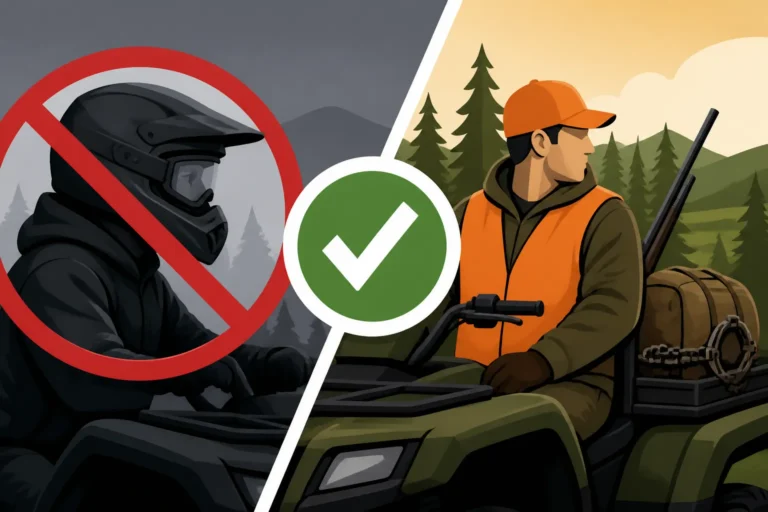
Newfoundland Noise Complaints About Quads
There's nothing quite like the freedom of tearing through a Newfoundland trail, the wind in your face, and the rumble of your machine beneath you. But let's be honest, sometimes our beloved quads and side-by-sides can stir up more than just dust. Noise complaints about off-road vehicles are a real headache for riders and communities alike, often leading to tensions and stricter rules that impact everyone. This guide is all about understanding why these complaints happen, what the law says, and most importantly, how we can all be better neighbours and keep enjoying our machines without disturbing the peace.
Understanding What Constitutes Excessive Noise in Newfoundland
For many of us, the sound of an ATV or UTV is the sound of adventure, a powerful engine ready to conquer the next challenge. But for those living near trails or in residential areas, that same sound can be a source of frustration. It’s a classic case of one person’s joy being another’s irritation, and it often leads to misunderstandings and formal complaints. Before we can address the problem, we need to understand what "excessive noise" actually means in the context of Newfoundland's regulations and community expectations.
The Legal Framework Around ORV Noise
When it comes to the legal side of things, it can feel a bit like navigating a bog with no clear path. While the provincial Off-Road Vehicles Act focuses heavily on safety, registration, and where you can actually ride your machine, it's a bit less prescriptive when it comes to a hard, fast decibel limit for noise. This can be frustrating for riders because it feels like there's no clear line you can point to and say, "My machine is within this limit."
However, the Act does touch on equipment requirements, specifically stating that your machine must have an exhaust system that effectively muffles the sound of the engine. This isn't just about having a muffler; it's about having one that works as intended to keep noise at a reasonable level. The moment that muffler is modified to be louder, or if it's damaged and no longer effective, you're stepping into a grey area that could quickly lead to trouble. You can delve deeper into these requirements by checking out the [Newfoundland Muffler and Noise Rules].
The big catch, and where most of the complaints stem from, is that individual towns and cities across Newfoundland and Labrador have the power to enact their own bylaws. This means what's acceptable in one rural area might be completely out of line in a more populated community, or even on a specific road designated by the municipality. It's a patchwork quilt of regulations, and it puts the onus on us, as riders, to know the local rules wherever we plan to ride. It’s not fair to assume one rule applies everywhere, because it simply doesn't, and ignorance of a local bylaw is rarely an excuse when a peace officer is involved.
Common Sources of Noise from ATVs and UTVs
Most riders love the distinctive roar of a powerful engine, but that's often where the problems begin. The most obvious culprit for excessive noise is usually the exhaust system. Many machines come from the factory with mufflers designed to meet certain noise standards, but over time, these can wear out, develop holes, or become less effective. The internal baffles can break down, or the sound-dampening packing material can blow out, allowing much more engine noise to escape.
Then there are the aftermarket exhaust systems. While some are designed for performance without being overly loud, others are explicitly marketed for increasing exhaust volume, sometimes for racing applications where noise isn't a primary concern. For a quiet trail ride, even a stock exhaust can be loud if you’re revving the engine high or if the machine is struggling, forcing the engine to work harder and therefore louder.
Beyond the exhaust, other components contribute to the overall sound signature of your machine. Engine vibration, the clatter of loose parts, a worn drive chain, or even aggressive tire treads on certain surfaces like pavement or hard-packed gravel can add to the perceived noise. A well-maintained machine, even a powerful one, will generally be quieter than one that’s neglected, with rattles and squeaks adding to the engine's rumble. It’s not always about outright loudness, but sometimes the type of noise – a constant drone, a sudden, sharp rev – that truly gets under people’s skin.
How Neighbors and Communities Perceive ORV Noise
For those of us who ride, the sound of an ATV or UTV is often associated with excitement, adventure, and the call of the wild. But for residents who live near trails, or worse, have machines passing by their homes repeatedly, that same sound can quickly become a real nuisance. Imagine trying to enjoy a quiet afternoon on your deck, having a backyard barbecue, or putting a baby down for a nap, only to have a series of loud machines rumble by every few minutes. It's incredibly disruptive and can ruin the peace and quiet that many people seek in their homes and communities.
The perception of noise is also highly subjective; what one person finds tolerable, another might find completely infuriating. This is especially true in rural or semi-rural areas where people have often moved specifically for the peace and quiet away from urban hustle. The sudden, intermittent bursts of loud engine noise can be particularly grating compared to a constant, lower-level hum. It's not just about the absolute volume, but the unexpectedness, the frequency, and the duration of the noise that truly triggers complaints.
These noise disturbances can have a cascade effect. Dogs can bark incessantly, causing further noise. Local wildlife, which many residents cherish, can be disturbed. There's even a perception that persistent noise can negatively impact property values. These cumulative experiences are what lead people to file formal complaints, and if enough complaints stack up, it can unfortunately lead to stricter access rules or even outright bans on ORV use in certain areas. It truly is in every rider's best interest to be mindful of this community perspective.
Practical Steps to Reduce ATV and UTV Noise
The good news is that we're not powerless when it comes to managing the noise our machines make. There are several proactive steps riders can take, from simple maintenance to thoughtful upgrades and changes in riding habits, that can significantly reduce sound output and minimize the chances of drawing a complaint. Being a responsible rider isn't just about safety; it's about being a good neighbour, too.
Muffler Maintenance and Upgrades
The first and most impactful step to reducing your machine's noise profile is to scrutinize your muffler. Over time, internal baffles can break down, packing material can blow out, or the muffler itself can crack, all leading to increased sound output. A quick visual inspection for rust, holes, or loose components is always a good starting point. If your muffler is repairable, fixing these issues—like patching a small hole or tightening loose connections—can make a noticeable difference in reducing noise.
For many machines, especially those designed for high performance, you might have the option to repack your muffler with fresh sound-dampening material. This can often bring the noise levels back down closer to factory specifications. It's a relatively inexpensive task that can yield significant results. If your muffler is beyond repair, or if you're looking for an upgrade, there are aftermarket mufflers specifically designed to be quieter than stock, often without sacrificing too much performance. Brands like SuperATV, for example, offer exhaust systems or muffler add-ons that aim to reduce decibel output. Investing in a quality, quieter exhaust can be a fantastic decision if you're frequently riding near residential areas or just prefer a more stealthy approach to the trails. Always double-check that any aftermarket part is compatible with your specific machine and, crucially, legal for use in Newfoundland under the [Newfoundland Muffler and Noise Rules]. Remember, part of the [Newfoundland Equipment Requirements] is that your muffler must be functional.
Engine and Drivetrain Soundproofing
Beyond the exhaust, the engine itself, and various components of the drivetrain, can contribute significantly to overall noise. Regular maintenance is paramount here. A well-tuned engine runs more smoothly and quietly than one that's struggling with misfires, worn spark plugs, or other mechanical issues. Keep your engine clean, ensure all covers and panels are securely fastened to prevent rattling, and regularly check for any loose bolts or vibrating components that might be adding to the din. Even a loose skid plate or a worn out bushing can create an annoying rattle that compounds other sounds.
For side-by-sides (UTVs) in particular, there are often aftermarket options for engine compartment covers, firewall insulation, or even full sound-dampening kits that can significantly reduce the amount of engine noise that reaches the cabin and radiates outwards. Some manufacturers and accessory providers, including companies like SuperATV, offer specific products designed to dampen vibrations and absorb sound from the engine bay, transmission area, or undercarriage. Even small things like ensuring your airbox is properly sealed and free of cracks can make a difference in reducing intake noise. It's about looking at the machine as a whole system, not just the exhaust pipe, when trying to quiet it down. A little time spent on preventing rattles and vibrations can go a long way in making your ride more pleasant for you and those around you.
Responsible Riding Practices
Sometimes, the noise isn't primarily about the machine itself, but how it's being ridden. Aggressive throttle use, especially in low gears or when rapidly accelerating, will always generate more noise than smooth, controlled acceleration. When you're approaching populated areas, or riding through a quiet neighbourhood to get to a trail, easing off the throttle and maintaining a steady, lower speed can drastically reduce your noise footprint. It shows respect and awareness for your surroundings. This is a key part of [Newfoundland Trail Etiquette Locals Expect].
Think about the time of day, too. Blasting through a residential street, even one that technically allows ORV access, at 6 AM or 11 PM is almost guaranteed to draw complaints, even if your machine isn't exceptionally loud. Try to schedule your rides during reasonable daylight hours, and be particularly mindful in the early mornings or late evenings when people are typically sleeping or looking for quiet time. Avoiding repeated passes through sensitive areas, or finding alternative routes that steer clear of homes, also demonstrates consideration for the community. Sometimes, it’s not the one-off passing that causes an issue, but the constant back-and-forth or repeated loud bursts. It’s about being a considerate rider and acknowledging that we share the landscape with others, whether they’re fellow outdoor enthusiasts or just trying to enjoy their backyard in peace.
Navigating Noise Complaints and Their Consequences
Despite our best efforts, sometimes complaints still arise. It's an unfortunate reality that comes with operating powerful machines in shared spaces. Knowing what to expect when a complaint is filed, understanding the potential consequences, and actively working to foster better community relations can help minimize the impact on riders and preserve access to our favourite trails.
What Happens When a Complaint is Filed
When a noise complaint is filed about an off-road vehicle in Newfoundland, it doesn't always immediately lead to a hefty fine or a dramatic confrontation. Often, the first step might be a warning or an informal conversation, either directly from a neighbour, or perhaps from a local municipal enforcement officer. Many municipalities prefer to address minor issues with a friendly reminder before escalating to formal action.
However, if complaints persist, or if the issue is particularly egregious – for instance, involving unsafe operation, excessive speed, or highly disruptive noise at inappropriate hours – a peace officer might get involved. This could be an RCMP officer, a municipal enforcement officer, or even a provincial parks officer depending on the specific location of the complaint. They’ll investigate the complaint, which could involve observing the machine in question, speaking with the complainant, and potentially stopping the operator. During such a stop, an officer may ask for your registration, proof of insurance, and to examine your machine's exhaust system, as detailed in [What an Officer Can Ask You to Produce].
If your machine is found to have a defective muffler, if you're operating it in a manner that's deemed to be causing a public nuisance under a local bylaw, or if you're riding in a restricted area, you could be facing a range of consequences. It's always best to be polite, cooperative, and respectful with any officer who approaches you, and to be prepared to demonstrate that your machine is compliant with [Newfoundland Muffler and Noise Rules] and any local bylaws. Confrontation rarely helps and can often make a bad situation worse.
Potential Fines and Enforcement Actions
The Off-Road Vehicles Act and municipal bylaws carry real teeth when it comes to enforcement, and ignoring them can lead to significant repercussions. While a general noise complaint might not have a specific fine attached to it like a speeding ticket, violations directly related to equipment – such as having a defective exhaust system or a muffler that has been modified to be louder than factory specifications – definitely do. The specific amounts can vary, but fines for a defective muffler can easily run into the hundreds of dollars, as explored in [Newfoundland Penalties for a Defective Muffler].
Beyond monetary penalties, repeated violations or particularly severe cases of noise disturbance could lead to more serious actions. While the ultimate sanction of machine seizure is generally reserved for more serious infractions like impaired riding (see [Newfoundland Impaired Riding Penalties]) or operating an unregistered machine, persistent noise complaints that disrupt public peace could potentially escalate to this level, especially if they involve blatant disregard for warnings or specific bylaws. The Off-Road Vehicles Act does allow for penalties for [Newfoundland Penalties for Riding Illegally], which encompasses a broad range of non-compliance, including noise-related issues. It's a risk no rider wants to take, and it underscores the importance of addressing noise issues proactively and taking complaints seriously. Don't assume that just because you're "off the road" that the rules don't apply; off-road vehicle operation is regulated, and enforcement officers have the authority to act.
Building Better Community Relations
Ultimately, resolving noise complaints and ensuring continued access to our beloved trails often comes down to fostering good relationships with the communities we ride near. This means being approachable, empathetic, and willing to listen. If a neighbour expresses concern about noise, a friendly conversation can go a long way before things escalate to a formal complaint. Sometimes, simply acknowledging their concern and explaining your efforts to mitigate noise can defuse a situation entirely.
Participating in local ATV clubs and associations can also be incredibly beneficial. These groups often work with municipalities and landowners to establish and maintain trails, and they can be powerful advocates for responsible riding. You can find more information about these groups at [Newfoundland ATV Clubs Worth Joining]. Education is another key component. Helping new riders understand the importance of muffler maintenance, appropriate riding times, and respecting private property can prevent issues before they start. Clubs often organize safety courses and promote best practices.
Supporting efforts to create designated, well-maintained trails that are routed away from residential areas is also crucial. This might involve volunteering for trail maintenance, advocating for specific trail development projects, or contributing to managed trail systems that ensure ORVs are used in appropriate zones, such as sections of [Riding the T'Railway From St John's to Port aux Basques]. The more we, as riders, demonstrate that we are responsible and considerate, the more goodwill we build within communities, ensuring that we can continue to enjoy the fantastic riding opportunities Newfoundland has to offer for years to come.
Resources and Prevention for Riders
Staying informed and proactive is your best defence against noise complaints and potential penalties. Riders have a responsibility to know the rules, maintain their machines, and exercise courtesy. By utilizing available resources and adopting preventive measures, we can all contribute to a more harmonious riding environment across the province.
Local Bylaws and Regulations
Finding out the specific noise bylaws for every community you might ride near in Newfoundland can feel like a daunting task, but it's a crucial step to avoid complaints and stay legal. The best place to start is often the municipal office or website for the town or city in question. Many communities have their bylaws readily available online in PDF format, or you can usually call their general inquiry line and speak to municipal staff. These bylaws often specify restricted hours of operation for noisy activities, or even outright bans on ORV use on certain streets or within specific zones that might not be immediately obvious.
It’s also wise to check with local trail organizations or the provincial government's official resources for information on [Newfoundland Rules for Riding Crown Land] or specific trail systems. While the provincial Off-Road Vehicles Act provides a baseline for all of Newfoundland, local regulations are where the finer details about noise control, speed limits on municipal roads, and access restrictions often reside. Don't assume that because you're on a provincial trail, all local rules suddenly vanish; often, they extend to areas adjacent to residential zones or even apply to sections of the trail itself as it passes through a town's jurisdiction. Being proactive with [Newfoundland Bylaw Lookups Before You Ride] can save you a lot of headache and potential fines.
Effective Noise Mitigation Strategies
To help you keep your machine running quietly and stay on the right side of community goodwill, here's a summary of common noise sources and effective mitigation strategies:
| Noise Source | Common Cause | Mitigation Strategy |
|---|---|---|
| Exhaust System | Worn baffles, leaks, aftermarket "loud" exhausts | Inspect regularly for damage; repair leaks; repack muffler with sound-dampening material; consider quieter aftermarket options (e.g., from SuperATV) |
| Engine & Drivetrain | Poor maintenance, loose parts, vibrations | Ensure regular engine tuning; secure all covers and panels; check for worn components; install specialized sound-dampening kits or insulation |
| Tires | Aggressive tread patterns on hard surfaces | Choose appropriate tires for intended use (e.g., less aggressive for mixed-use riding); reduce speed on paved/gravel roads; maintain proper tire pressure |
| Rider Behaviour | Aggressive throttle, high RPMs near homes, late-night riding | Practice smooth acceleration and deceleration; maintain lower speeds in sensitive areas; ride during reasonable daylight hours (e.g., 9 AM – 7 PM) |
| Loose Accessories | Rattling racks, cargo, poorly mounted equipment | Secure all gear and cargo; use anti-vibration mounts for accessories; periodically check bolts and fasteners on all add-ons |
This table provides a quick reference for common issues and how to tackle them. By implementing these strategies, you're not only reducing your machine's noise footprint but also ensuring a smoother, more enjoyable ride for yourself and those around you.
Disclaimer
This article is for general informational purposes only and does not constitute professional advice. Laws, prices and regulations vary by location and change over time. Consult a qualified professional for guidance on your specific situation.