Newfoundland Rules for Riding in Winter
Riding an ATV or UTV in the Newfoundland winter is an experience unlike any other, offering breathtaking frosty landscapes and a unique sense of adventure. However, the raw beauty of our island in the colder months comes hand-in-hand with serious challenges and specific rules that, if ignored, can turn a fantastic day into a dangerous ordeal. This guide will walk you through everything you need to know to safely and legally enjoy off-road vehicle riding when the snow flies, ensuring your winter adventures are memorable for all the right reasons.
Embracing Winter Riding in Newfoundland: Unique Challenges and Considerations
Winter riding in Newfoundland isn't just "summer riding with snow." It's a completely different beast, demanding a higher level of preparation, awareness, and respect for the elements. The landscape transforms, and with it, the risks and the joys.
The Beauty and Harshness of a Newfoundland Winter
Picture this: snow-laden spruce trees, frozen ponds glinting under a crisp sun, and the silence of a landscape muffled by fresh powder. It's truly spectacular. But beneath that beauty lies a harsh reality. Newfoundland winters can be unpredictable, with temperatures plummeting, sudden whiteouts, and coastal squalls rolling in without much warning. Snow accumulation can vary wildly, from a light dusting on the Avalon Peninsula to several feet inland or on the Northern Peninsula. This means what was a simple muddy trail in October can become a challenging, ice-slicked path hidden under deep drifts in January.
Daylight hours are significantly shorter, cutting down your riding window and increasing the chances of being caught out after dark if you don't plan meticulously. The cold itself is a major factor, affecting both rider and machine. Exposed skin can suffer frostbite quickly, and machines can struggle with cold starts, frozen fuel lines, or weakened batteries. It's a season that rewards the prepared and punishes the complacent, so never underestimate the power of a Newfoundland winter.
How Winter Transforms the Trails and Terrain
The trails we know and love in summer become entirely new entities once the snow arrives. What might have been a rocky climb can turn into a slippery, icy ascent, while a relatively shallow brook crossing could be frozen solid, or worse, have a thin layer of ice concealing rapidly flowing water underneath. Bogs, which are notoriously tricky even in dry conditions, can become deceptively stable with a frozen crust, only to give way under the weight of a machine, leading to a much colder and more difficult recovery.
One of the biggest changes is the shared nature of many trails, especially the [T'Railway's 883 Kilometres in Newfoundland]. In winter, these routes become critical corridors for snowmobilers. It’s imperative to remember that you are often sharing space with machines designed for different conditions and operated by riders with different expectations. This calls for heightened courtesy and awareness. Deeper snow on the railbed can make travel challenging for wheeled machines, while ice can make it treacherous for all. Knowing [Newfoundland Trails Shared With Snowmobiles] is crucial, and understanding that their needs for groomed trails might differ from yours is part of being a good trail citizen. Always anticipate other users and ride defensively.
Navigating the Off-Road Vehicles Act in Winter Conditions
The core regulations of Newfoundland’s Off-Road Vehicles Act remain in full effect during winter, but the conditions make adherence to certain rules even more critical. What might be a minor inconvenience in summer can become a significant safety hazard in the snow and ice.
Essential Equipment and Visibility Requirements
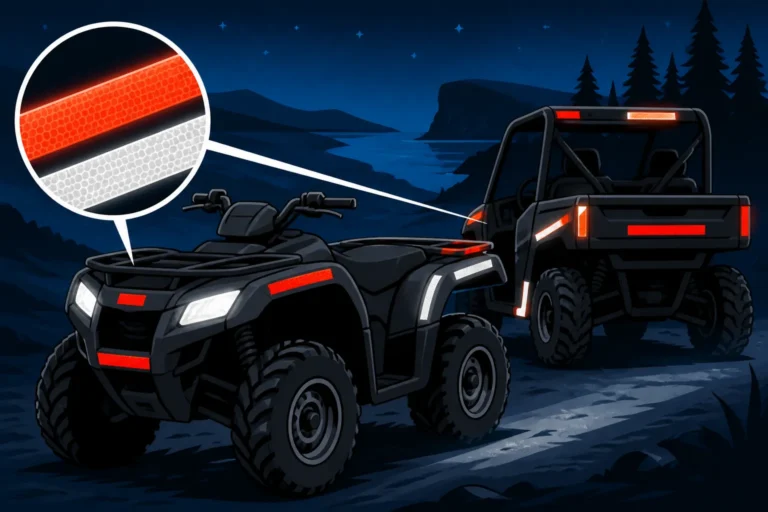
Visibility is often drastically reduced in winter, whether due to snowfall, fog, or the sheer lack of daylight. This makes properly functioning lighting and reflective gear absolutely non-negotiable. Your machine must have working headlamps and tail lamps from sunset to sunrise, and whenever visibility is poor – which, let's be honest, is often in winter. It’s not just about seeing; it’s about being seen. Ensure your [Newfoundland Head and Tail Lamp Rules] are followed, and check your lights before every single winter ride.
Beyond lights, reflectors are your best friend. Make sure your machine is equipped with adequate reflectors, especially amber in the front and red behind. [Newfoundland Reflector Requirements] are there for a reason, and in the low light of winter, they can truly be a lifesaver. Your identification plate must also be visible at all times. This can be particularly challenging in winter as snow, ice, and slush accumulate. Regularly cleaning your plate to ensure it’s free of mud, snow, or anything else that obstructs it is not just good practice; it's a legal requirement. [Newfoundland Plates Kept Free of Mud] means exactly that, no matter the season.
Now, here's a crucial update for winter riders: [Newfoundland Tire Chains Are Now Allowed] since the Off-Road Vehicles Act was rewritten. This is a game-changer for traction on icy or deep-snow conditions. While not mandatory, having tire chains can significantly improve control and safety on slippery terrain. Ensure they are properly installed and maintained according to the manufacturer's specifications to prevent damage to your machine or personal injury. When sourcing accessories like winches, plows, or specialized tires for winter, reputable brands like SuperATV offer a range of robust options designed to withstand harsh conditions, ensuring you’re equipped for whatever the Newfoundland winter throws at you.
Understanding Road and Shoulder Riding Rules in Snow
The rules for operating your ORV on or near public roadways, such as crossing a highway or riding a shoulder, do not change simply because there's snow on the ground. However, the application of these rules becomes exponentially more challenging and dangerous. For instance, when [Crossing a Newfoundland Highway Needs 150 Metres of Visibility], that 150 metres needs to be clear of oncoming traffic, but also free from heavy snow or ice banks that could obscure your view or hinder your ability to cross safely. Reduced visibility for drivers of other vehicles also adds to the risk.
Similarly, [Riding the Shoulder 1 Kilometre to Reach a Trail] is permitted, but the shoulder itself might be narrow, covered in deep snow, or slick with ice. The legal [20 km/h on a Shoulder] limit becomes even more important for maintaining control in these conditions. Drivers of highway vehicles may not anticipate an ORV on a snow-covered shoulder, and your braking distance on ice will be much longer. Always yield to highway traffic and proceed with extreme caution. The dangers of impaired driving are always present, but the consequences of [Newfoundland Impaired Riding Penalties] are magnified when conditions are already challenging. Never take chances; winter conditions demand your full focus.
Licence, Insurance, and Registration on a Winter Machine
Just like in summer, your machine still needs to be properly registered with Motor Registration, and you must carry proof of that registration when riding. [Newfoundland ORV Registration Cost] is a one-time fee, but the documentation is for the life of the machine under your ownership, so make sure it's accessible. Your personal insurance requirements also remain in force. [Newfoundland Insurance Requirements for Riders] are critical, and having valid liability coverage is non-negotiable, whether it's minus 20 or plus 20. If you’re ever stopped by an officer, you need to produce proof of insurance, typically within two business days.
For anyone operating an ORV on a highway (even for a legal crossing or shoulder ride), a valid driver's licence is required. While you don't need a licence to operate an ORV off-road, if you touch a public road, the rules change. It’s also crucial that if you are a [Newfoundland First-Time Registrants] and under 16, you must have completed the mandatory safety training. Even adults benefit from refresher training, especially considering the added complexities of winter riding. Make sure you carry proof of your safety training certificate, as [Newfoundland Proof Carried While Riding] is a requirement.
Prioritizing Safety and Preparedness for Cold Weather Adventures
Winter riding isn't just about what your machine can do; it's heavily about how you prepare yourself and your gear for the elements. Cold, isolated conditions demand a higher level of personal responsibility and planning.
Gear Up for the Cold: Personal Protection and Machine Accessories
Staying warm and dry is paramount in winter. Layered clothing is your best friend – think moisture-wicking base layers, insulating mid-layers, and a waterproof, windproof outer shell. Insulated, waterproof boots, heavy-duty gloves or mitts, and a balaclava or neck warmer are essential. Your helmet is legally required for every rider and passenger under [Newfoundland Helmet Law for Every Rider], but in winter, it also provides crucial warmth and protection from the wind and elements. Make sure your helmet is well-maintained and fits snugly, with the chin strap always fastened. Goggles or a full face shield are also key for eye protection against snow, wind, and debris.
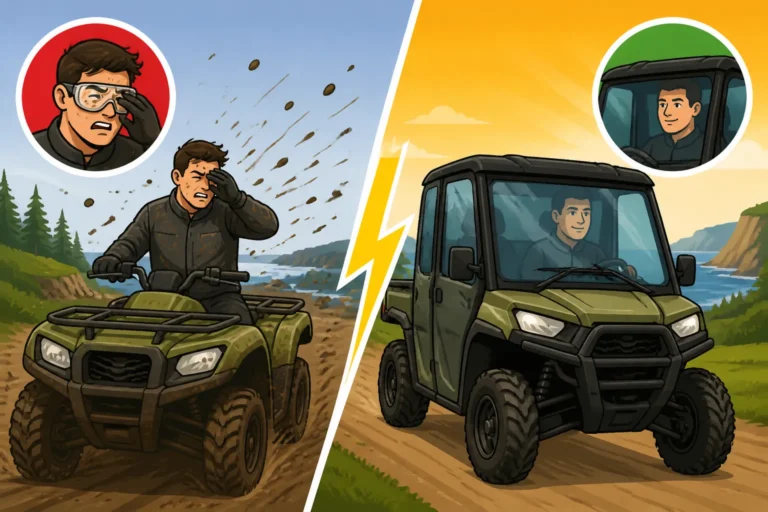
For your machine, consider winter-specific accessories. Heated grips or a heated seat can make a world of difference on a long ride. A sturdy windshield or an enclosed cab for UTVs can offer significant protection from the wind and cold. Snow tracks can transform an ATV or UTV into a truly formidable winter machine, capable of traversing deep snow that wheels can't handle. If you often find yourself in deep snow or difficult terrain, a winch is practically a requirement, not just an accessory. SuperATV offers a wide array of durable winches and other utility products that can be a real asset for winter recoveries or simply clearing paths. Ensure your tires are in good condition; low-pressure tires offer excellent flotation on snow.
Emergency Preparedness and Communication
Venturing into the Newfoundland backcountry in winter carries inherent risks. A mechanical breakdown, getting stuck, or an unexpected injury can quickly turn serious if you're not prepared for an emergency. Always carry a well-stocked emergency kit. This should include:
- First-aid supplies: For injuries big and small.
- Survival blanket or bivy sack: For warmth if you're stranded.
- Fire starter and fuel: Essential for staying warm.
- Extra food and water: High-energy snacks and a thermos of hot beverage.
- Navigation tools: A GPS unit with pre-loaded maps, a compass, and a paper map of the area, especially since [Cell Dead Zones Along the Railbed] are common.
- Signalling devices: Whistle, mirror, or even a brightly coloured cloth.
- Tools: Basic repair kit for your machine, including spare spark plugs, belt, and tire repair kit.
- Recovery gear: A strong tow strap, a small shovel, and a handsaw.
- Communication: A fully charged cell phone (though don't rely on it), and consider a satellite communication device for areas without cell service.
Crucially, always tell someone your travel plans. Let a reliable person know your route, your expected departure and return times, and who you're riding with. If you don't check in, they'll know to raise the alarm. This simple step can be the difference between a minor incident and a serious search and rescue operation.
Machine Maintenance for Harsh Winter Conditions
Winter is hard on machines, and proper maintenance is crucial for reliability. Before the cold sets in, and certainly before your first winter ride, give your ORV a thorough once-over. Check your battery – cold saps power, and a weak battery might not crank over in freezing temperatures. Consider a battery tender if your machine sits for extended periods. Ensure all fluids are topped up and rated for cold weather, especially engine oil, coolant, and brake fluid. Antifreeze levels are particularly important.
Inspect your tires for wear and proper inflation. The wrong pressure can impact traction and handling in snow. Check your brakes, steering, and suspension for any issues that could be exacerbated by cold or rough terrain. Clear any debris from radiators or air intakes to ensure proper cooling, even in winter. After each ride, especially if you've been through slush or salt (if riding near treated roads), clean your machine thoroughly to prevent corrosion. For parts that take a beating, like skid plates or suspension components, SuperATV often provides heavy-duty alternatives designed for longevity in harsh environments. A well-maintained machine is a safe machine, and this is never truer than in the depths of a Newfoundland winter.
Specific Riding Areas and Winter Restrictions
While the general rules of the Off-Road Vehicles Act apply year-round, the unique conditions of winter and the presence of snowmobiles can introduce specific considerations for different riding areas.
T'Railway and Other Shared Trails in Winter
The T'Railway Provincial Park, being a multi-use trail, becomes a vital corridor for snowmobiles in winter. This means that if you're riding your ATV or UTV on it, you must be acutely aware of and respectful of snowmobilers. They often operate at higher speeds and expect groomed surfaces. [Newfoundland Trails Shared With Snowmobiles] are common, and maintaining a high degree of courtesy and vigilance is essential. Be prepared for faster traffic, and give snowmobilers ample space. If the trail is groomed, try to avoid rutting it up with your wheeled machine, which can ruin the surface for snowmobilers.
Staying on marked trails is always important, but especially so in winter. Snow can conceal dangerous obstacles like fallen trees, open culverts, or thin ice over water bodies. What looks like a smooth, unbroken expanse of snow could be a hidden hazard. Venturing off marked trails can not only be dangerous but also lead to fines under [Newfoundland Crown Land Fines for Riders], particularly in restricted areas or if you damage sensitive ecosystems. Respecting trail closures or designated snowmobile-only sections is part of being a responsible rider.
Crown Land and Private Property Considerations
The fundamental rules for riding on Crown Land, as outlined in [Newfoundland Crown Land Riding Rules], don't change in winter. You still need to ensure you're in an approved area and adhere to any specific restrictions. However, the interpretation and enforcement might become more focused on environmental protection, especially concerning sensitive areas covered in snow. Damage to fragile ecosystems, which might be less obvious under a blanket of snow, is still a serious offense.
For private property, the requirement for [Asking a Landowner for Written Permission to Ride] remains absolute. Snow does not negate property lines. In fact, if you cause damage to property (e.g., fence posts hidden by snow, ruts in a field), the consequences could be more significant. Always secure explicit permission before riding on private land, regardless of the season. Be aware that some landowners might have specific restrictions for winter use, perhaps to protect logging roads or agricultural fields. Always respect gates and signage, even if they appear to be buried in snow.
Remember, winter riding offers some of the most spectacular scenery and peaceful experiences, but it demands diligence, preparation, and respect for both the environment and other trail users. Stay safe and enjoy the unique beauty of Newfoundland's winter backcountry!
Here's a quick comparison of key considerations for summer versus winter riding:
| Feature/Aspect | Summer Riding Considerations | Winter Riding Considerations |
|---|---|---|
| Visibility | Generally good, longer daylight hours. | Reduced daylight, fog, snow, whiteouts. Lights and reflectors critical. |
| Terrain | Mud, dust, rocks, open water crossings. | Deep snow, ice, hidden obstacles, frozen waterways. Traction is key. |
| Equipment | Basic safety gear, repair kit, water. | Heated gear, winches, snow chains (now allowed!), extensive emergency kit. |
| Clothing | Breathable, protective gear, rain gear for showers. | Layers, insulated, waterproof, windproof outerwear, warm boots/gloves. |
| Navigation | GPS, maps; easier to identify landmarks. | GPS, paper maps essential (cell dead zones), landmarks obscured by snow. |
| Shared Trails | Hikers, cyclists; less speed differential. | Snowmobiles (often faster), shared multi-use trails; heightened courtesy needed. |
| Vehicle Prep | Fluid checks, tire pressure, general inspection. | Battery health, cold-weather fluids, specific winter attachments, post-ride cleaning. |
| Emergencies | Dehydration, minor injuries, getting stuck. | Hypothermia, frostbite, major mechanical failures, prolonged exposure, harder recoveries. |
Disclaimer
This article is for general informational purposes only and does not constitute professional advice. Laws, prices and regulations vary by location and change over time. Consult a qualified professional for guidance on your specific situation.