Newfoundland Rules for Riding a Cabin Road
There’s nothing quite like the freedom of an ATV or side-by-side to access your favourite cabin in the Newfoundland wilderness. However, many riders find themselves scratching their heads when it comes to the specific rules for riding on those often-unmarked, unmaintained routes that lead to these cherished retreats. This guide will walk you through the nuances of Newfoundland's Off-Road Vehicles Act as it pertains to cabin roads, helping you understand your obligations and avoid common missteps.
Deciphering "Cabin Roads" Under Newfoundland Law
When we talk about "cabin roads" in Newfoundland, we're usually picturing everything from a well-worn path through the woods to a gravel track that services several properties, or even an old logging road. The truth is, the law doesn't have a specific category for "cabin roads." Instead, these routes fall under broader classifications like private property, Crown land access roads, or sometimes even unmaintained municipal roads, and the rules change dramatically depending on how that piece of land is legally defined. This is where a lot of confusion, and potential trouble, can arise for riders.
Imagine you're heading to your cabin near Deer Lake. The last few kilometres are on a dirt track. Is it private property? Is it Crown land? Is it technically an old, forgotten public right-of-way? Understanding this distinction is paramount. If it's your own private property, or land you have explicit permission to use, your responsibilities primarily revolve around the safe operation of your machine. But if that road crosses Crown land, or worse, someone else's private property without permission, you're entering a whole new realm of regulations and potential fines.
Many cabin access routes were carved out informally over decades, without formal designation. This lack of clarity means riders need to be extra diligent. It’s not enough to simply assume that because everyone else uses it, it’s fair game. Always try to determine the legal status of the land your cabin road traverses. This might mean checking with your local municipality, the Department of Fisheries, Forestry and Agriculture, or even talking to neighbours who might have long-standing knowledge of the area. For example, some "cabin roads" are actually old railway beds that have been repurposed, like sections of the [Newfoundland's Old Railbed Turned Trail], which would have specific rules for use.
Essential Requirements for Riding Your ORV on Cabin Roads
Regardless of the specific legal classification of your cabin road, several core requirements from [Newfoundland's Off-Road Vehicles Act] apply to any off-road vehicle (ORV) operating on non-highway land. These aren't just suggestions; they're legal mandates designed for safety and accountability.
Registration and Plates
Even if your machine never leaves the property you own or have explicit permission to use, it must be registered with Motor Registration in Newfoundland. This is a one-time registration fee, and once you've paid it, your [Newfoundland Registrations Never Expire] as long as you own the machine. This is one of the most common oversights, with riders thinking their remote access means they can skip the red tape. An officer encountering an unregistered machine, even on a seemingly private cabin road, can issue fines. The small identification plate issued with your registration must be affixed to the rear of your machine, clearly visible and kept free of mud and debris. If you're bringing a machine specifically for your cabin, make sure to read up on [Newfoundland Registration for a Cabin Machine].
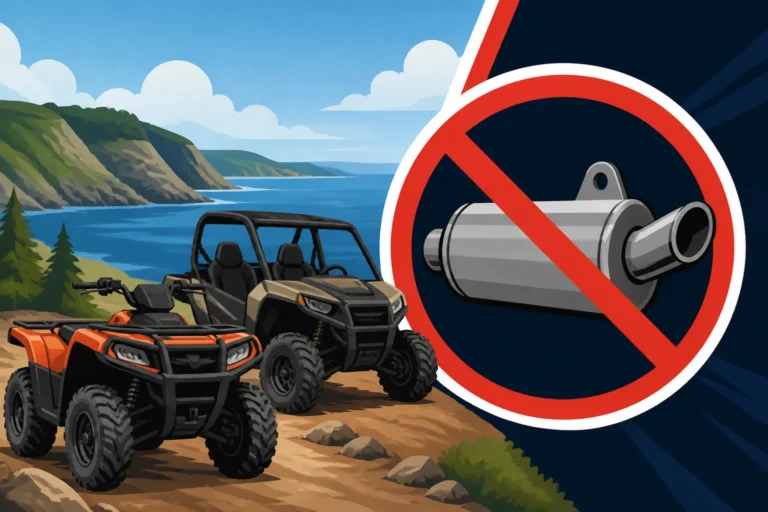
Your machine also needs to meet certain equipment standards. This includes things like proper lighting – headlamps and tail lamps are essential, especially if you might be out after dusk or in foggy conditions common in many parts of Newfoundland. Make sure your exhaust system isn't illegally modified, as loud machines can draw complaints and attention, even in remote areas. Consider durable aftermarket parts from companies like SuperATV, which offer robust skid plates and heavy-duty suspension components that can handle the often-rugged and unmaintained surfaces of cabin roads, ensuring your machine can cope with the demands of the terrain.
Insurance and Licensing
Just like with registration, your ORV needs to be insured. The province mandates a minimum liability coverage for all off-road vehicles. This isn't just about protecting others; it's about protecting yourself from significant financial burden should an accident occur. Even if you believe you’re far from anyone else, accidents happen, and having the right insurance in place can be a lifeline. The good news is that [Newfoundland Insurance Requirements for Riders] are generally straightforward, but it’s crucial to have that proof of insurance on hand whenever you’re riding, especially if you're taking your machine to a remote cabin.
For the operator, while you don't always need a specific "ORV license" in Newfoundland, if you're ever going to cross a highway, ride on a highway shoulder (which sometimes happens even on the way to a cabin road), or operate the machine as an adult, you will need a valid driver's license. For younger riders, there are strict [Newfoundland Supervision Rules for Young Riders] and age requirements that dictate who can ride what size of machine, and when. Even on a cabin road, these rules still apply, meaning a supervisor who meets the provincial criteria must be present and actively supervising younger, less experienced riders. Safety training is also required for certain operators, particularly those under 16 or first-time registrants.
Helmets and Safety Gear
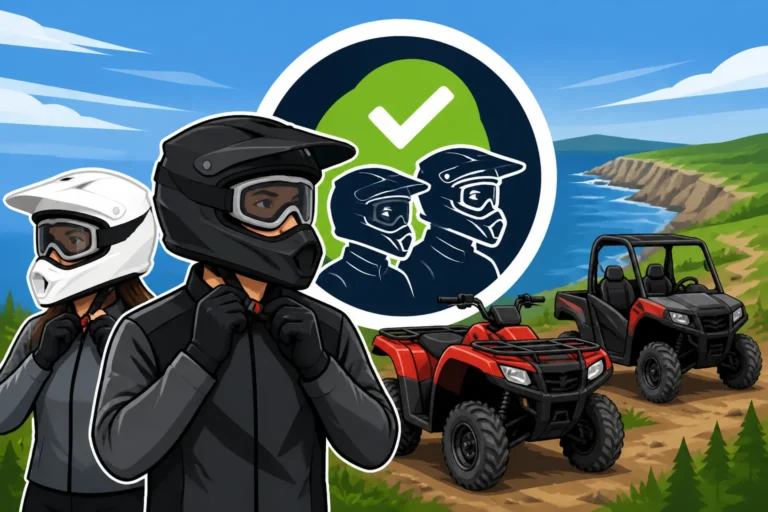
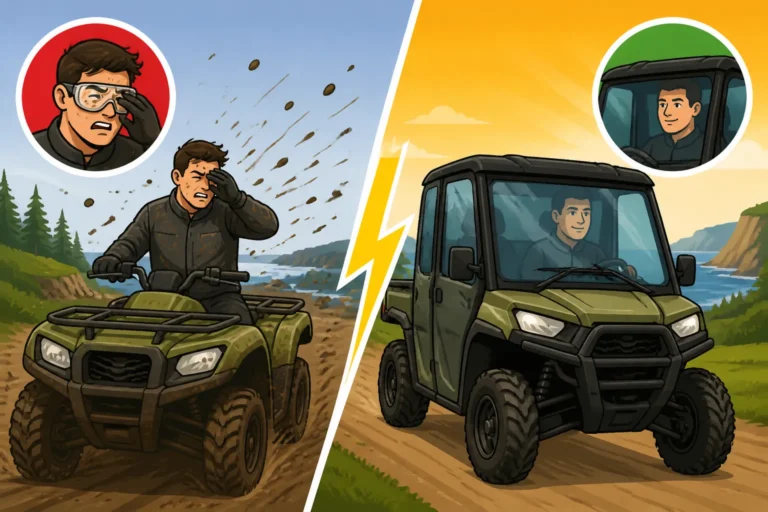
Newfoundland's helmet law is clear and unequivocal: [Newfoundland Helmet Law for Every Rider]. Every single person on an ORV, whether operator or passenger, must wear an approved helmet, and the chin strap must be securely fastened. This rule applies everywhere, including cabin roads, private land, and wilderness trails. There's no exception for riding slowly or "just a short distance" to your cabin. Beyond helmets, eye protection is also generally required unless your machine has an enclosed cab with a windshield.
While the law specifies helmets, common sense dictates additional safety gear for cabin road riding. Given the often isolated nature of these routes, sturdy boots, gloves, and appropriate clothing are highly recommended. A first-aid kit, communication device (like a satellite messenger, as cell service can be spotty), and basic repair tools are not just good ideas—they can be lifesavers when you’re far from help. When equipping your machine for rugged cabin roads, consider investing in high-quality gear. Many riders opt for aftermarket accessories that enhance safety and utility, like those found from reputable brands such as SuperATV, known for components that can withstand demanding environments.
Navigating the Nuances: Permission, Trespassing, and Shared Access
Riding on cabin roads in Newfoundland often means traversing a patchwork of land ownership, making the issue of permission and potential trespassing a critical consideration. This isn't just about avoiding a ticket; it's about respecting land rights and maintaining good relations with your neighbours and the wider community.
Understanding Land Ownership and Permission
Many cabin roads cross private property that belongs to someone else, even if they appear to be public. It’s not uncommon for an access road to your cabin to start on private land, then cross a strip of Crown land, then traverse another private parcel, before reaching your destination. This complex ownership mosaic means you absolutely cannot assume public access. [Newfoundland Trespass Law for Riders] is very real, and ignorance is not a valid defence. Getting caught trespassing can result in significant fines and, in some cases, even the seizure of your machine.
The golden rule here is: when in doubt, get permission. This means [Asking a Landowner for Written Permission to Ride] if you know the road crosses private property. Verbal permission is a start, but written permission provides a clear record and avoids misunderstandings down the line. For roads on Crown land, you generally have the right to ride if it's an approved area, but even then, there might be specific seasonal restrictions or protected zones to be aware of. Always check with the relevant provincial authorities regarding [Newfoundland Crown Land Riding Rules] before you venture off-grid. A little research upfront can save you a lot of hassle and expense later.
Sharing the Road Responsibly
Cabin roads are often shared spaces. You might encounter other ORVs, passenger vehicles, logging trucks, pedestrians, or even wildlife. This requires a heightened sense of awareness and respectful riding practices. Large logging trucks, for instance, have the right-of-way on active forestry roads and can create significant dust and safety hazards. Always yield to larger commercial vehicles and be prepared to pull over safely.
Visibility can be poor on winding, dusty, or overgrown cabin roads. Riding at a reasonable speed, especially around blind corners or crests, is not just common courtesy but a crucial safety measure. Keep your headlights on during the day to increase your visibility to others. Even if you're eager to get to your cabin, slowing down and riding defensively protects everyone. Remember, many of these roads might not have official speed limits posted, but the expectation is that you will operate your machine safely and considerately for the conditions and other users.
| Scenario for Cabin Road Use | Legal Status Implication | Key Action for Rider |
|---|---|---|
| Road crosses your land only | Private Property (your own) | Ensure machine is registered, insured, and operator is legal. |
| Road crosses neighbour's land | Private Property (others') | Obtain written permission from landowner. |
| Road crosses Crown land | Crown Land Access | Adhere to [Newfoundland Crown Land Riding Rules]; check for restrictions. |
| Road is an old logging track | Varies (private/Crown) | Investigate ownership; get permission if private. |
| Road is an informal path | Highly variable | Always assume private until proven otherwise; seek permission. |
Environmental Responsibility
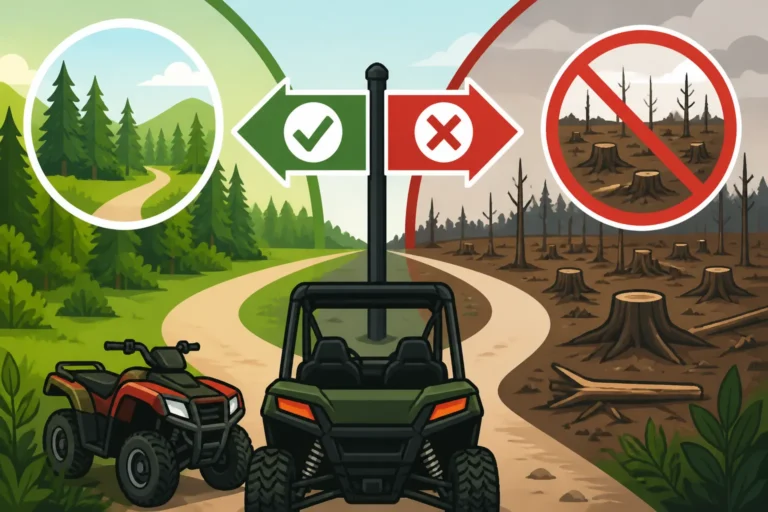
Riding on cabin roads, particularly those on Crown land, comes with a responsibility to protect Newfoundland's unique environment. This means sticking to existing trails, avoiding sensitive areas like wetlands or bogs, and refraining from creating new tracks. Off-roading can cause significant erosion and habitat damage if not done thoughtfully.
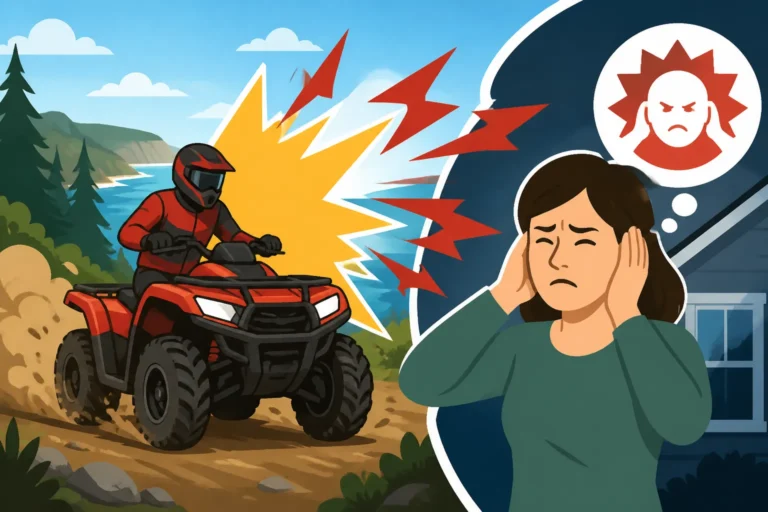
When you're out there, remember that you're a steward of the land. Pack out everything you pack in, and perhaps even a little extra litter you find along the way. Be mindful of noise, especially near other cabins or residential areas. Excessive noise from modified exhausts can lead to complaints and could even result in further restrictions on ORV use in certain areas. This collective responsibility is vital for ensuring continued access to these beautiful wilderness areas for all riders.
Equipment and Safety Considerations for Cabin Road Adventures
Beyond the legalities, tackling Newfoundland's cabin roads often demands specific equipment and a safety-first mindset. These routes can be remote, unmaintained, and present unique challenges that differ from designated trails or paved roads. Equipping yourself and your machine properly can mean the difference between an enjoyable trip and a stranded nightmare.
Preparing Your Machine for Rugged Terrain
Cabin roads can range from smooth gravel to deeply rutted mud pits, rocky climbs, or even small stream crossings. Your machine needs to be up to the task. Ensure your tires are in good condition and have adequate tread for varied terrain. For particularly challenging sections, many riders opt for specialized off-road tires that offer superior grip. Regular maintenance of your brakes, suspension, and engine is crucial; a breakdown far from help can quickly turn serious.
Consider additional protective gear for your machine. Heavy-duty skid plates, often available from brands like SuperATV, are invaluable for protecting the underside of your ATV or UTV from rocks and debris on rough cabin roads. Winches are another highly recommended addition, especially if you venture out alone or into areas known for mud or soft ground. Even the most experienced riders can get stuck, and a winch can be a lifesaver for self-recovery or assisting a fellow rider. Carrying a spare belt, tire repair kit, and basic tools can also get you out of minor mechanical trouble.
Essential Gear for Remote Riding
Being prepared for the unexpected is key when riding to a remote cabin. As mentioned earlier, cell service is often non-existent in many parts of Newfoundland's interior. A satellite communication device, such as a SPOT or inReach device, allows you to send emergency signals or check-in messages even when out of cell range. A detailed physical map and compass, alongside a GPS device, are essential navigation tools, especially if you're exploring new areas or if trails aren't clearly marked. Relying solely on your phone's GPS is risky due to battery life and signal availability.
Pack sufficient food and water, even for what seems like a short trip. Weather in Newfoundland can change rapidly, so appropriate layered clothing and quality rain gear are vital. A good first-aid kit, along with knowledge of how to use it, should always be part of your gear. If you’re riding in groups, which is always recommended for safety on remote routes, ensure at least one person has a comprehensive kit and basic wilderness first aid training. Knowing [What to Carry for First Aid on the Barrens] can be crucial.
Safe Riding Practices and Emergency Planning
Even with the best equipment, safe riding practices are your most important tool. Never ride alone on remote cabin roads, especially in unfamiliar territory. Inform someone of your route and estimated return time. Ride at a speed appropriate for the conditions, remembering that these roads are often unmaintained and can have hidden hazards like washouts, downed trees, or large rocks.
If you encounter an emergency, stay calm and assess the situation. Use your communication device if available. If stranded, make yourself visible and conserve resources. Knowing how to perform basic repairs can mean the difference between riding out and waiting for assistance. Many ORV clubs offer safety courses that go beyond the basic provincial training, providing valuable skills for handling emergencies and navigating challenging terrain. These additional skills, combined with reliable aftermarket accessories from companies like SuperATV, truly enhance your preparedness for any cabin road adventure.
Remember, the goal of riding to your cabin is enjoyment and relaxation. By understanding the rules, respecting the land, and preparing diligently, you can ensure your journeys are safe, legal, and truly enjoyable.
Disclaimer
This article is for general informational purposes only and does not constitute professional advice. Laws, prices and regulations vary by location and change over time. Consult a qualified professional for guidance on your specific situation.