Newfoundland Passenger Seat Requirements
Trying to figure out who can safely and legally ride with you on your ATV or UTV in Newfoundland can be a real head-scratcher. The rules aren't always crystal clear, and the thought of getting a ticket or, worse, putting someone at risk because you misunderstood something is enough to make anyone hesitant. This guide is here to untangle the specific passenger seat requirements and related safety regulations, ensuring you and your riding companions can hit the trails and approved roads with confidence and compliance.
Understanding Newfoundland's Passenger Rules for ATVs and UTVs
One of the biggest areas of confusion for off-road vehicle (ORV) enthusiasts in Newfoundland is who can ride with you and where they should sit. It's not as simple as just "hopping on," and the rules are in place for very good reasons: safety. The province's Off-Road Vehicles Act lays out some fundamental principles that every rider needs to understand before carrying a passenger.
The Core Principle: Factory-Installed Seating
When it comes to carrying passengers on your ATV or UTV, Newfoundland's regulations are quite clear: any passenger must be seated on a part of the machine that was specifically designed and installed by the manufacturer for carrying a passenger. This means no improvising! You can't just throw a cushion on the rear rack of your ATV, strap a milk crate to the back, or install a wooden bench in the bed of your side-by-side and expect it to be legal or safe.
This rule is rooted deeply in safety engineering. Manufacturers design these machines with specific weight distribution, balance points, and structural integrity for the intended number of riders. A factory-installed seat, whether for an ATV or UTV, has been tested to withstand the forces and stresses of off-road riding, offering secure attachment points, proper ergonomics, and often, integrated safety features. Trying to rig up your own seating not only risks a fine but, more importantly, can lead to serious injury if the makeshift seat fails, shifts, or causes you to lose control of the machine on uneven terrain or during a sudden stop. It’s about ensuring that every person on the machine is as safe as possible, riding on equipment built for the job.
Different Machine Types, Different Seating Realities
The type of off-road vehicle you operate significantly impacts its passenger-carrying capabilities. What works for a side-by-side simply doesn't apply to a typical ATV, and understanding these distinctions is key to staying compliant and safe.
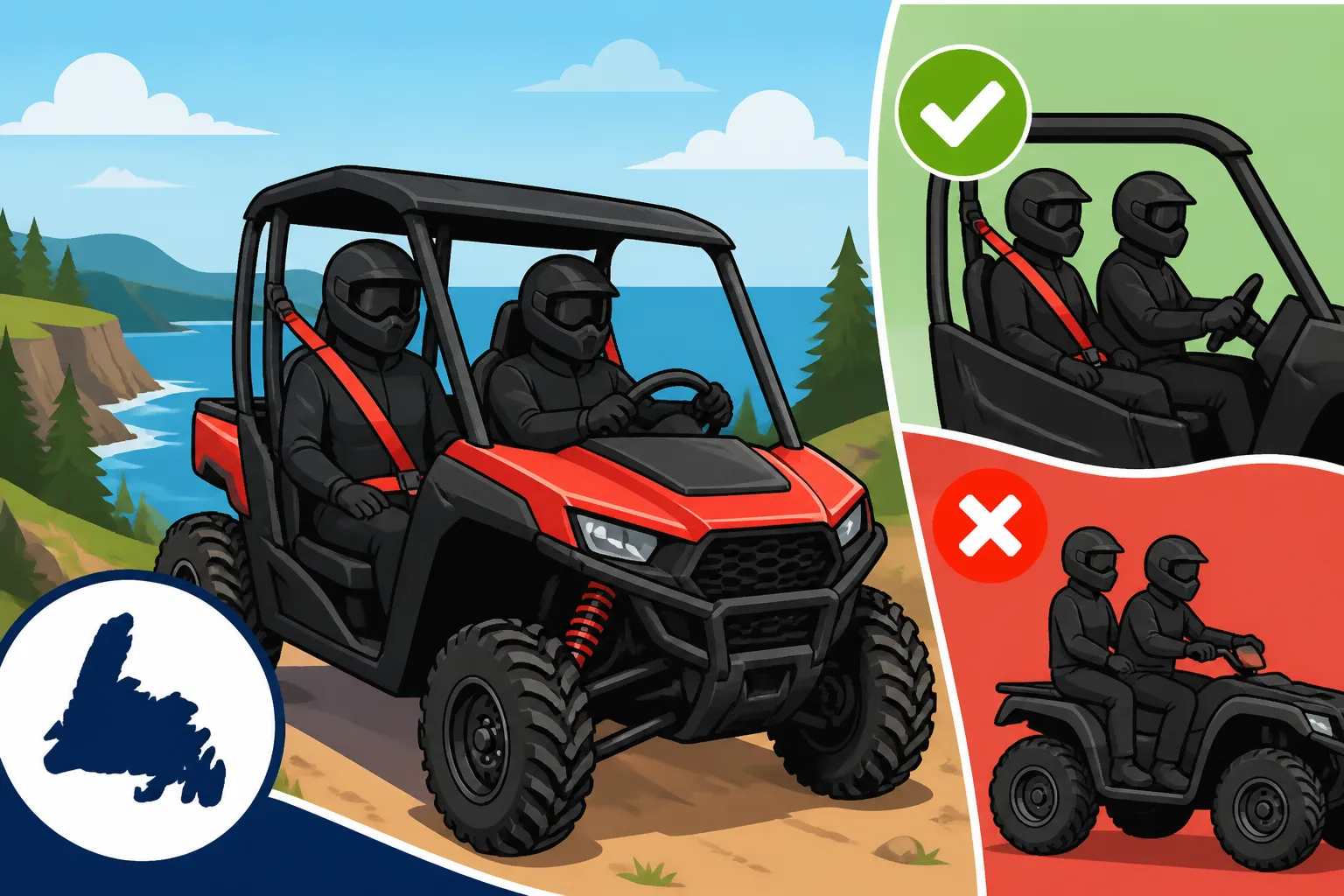
For ATVs (All-Terrain Vehicles), the design is predominantly focused on a single operator. Many ATVs are what we call "one-up" machines, meaning they are built for one person only. Their seat, handlebars, and foot pegs are configured for solo riding, and adding a second person dramatically alters the balance, braking, and handling. However, there are also "two-up" or "tandem" ATVs specifically designed by the manufacturer to carry an operator and one passenger. These machines typically have a longer seat, separate handholds, and distinct footrests for the passenger, along with a more extended wheelbase to accommodate the additional weight safely. Trying to squeeze two people onto a one-up ATV is not only illegal but incredibly dangerous, as it impairs your ability to control the machine and can lead to rollovers or ejecting a passenger.
UTVs (Utility Task Vehicles), often called Side-by-Sides, are generally built with multiple passengers in mind. These machines feature bucket seats or bench seating, much like a small car, and are equipped with seat belts for each seating position. Since [Newfoundland Side-by-Sides Added in 2022] as a distinct class within the Off-Road Vehicles Act, their specific design for multiple occupants is clearly recognized. You'll often find two, four, or even six-seater side-by-sides, all designed with specific safety cages, roll-over protection, and seating systems. The key here, again, is that these seating arrangements are factory-installed and integral to the machine's original design, offering the necessary structural protection and restraints for everyone on board.
Safety Requirements Beyond Just the Seat
While having a factory-installed seat is the first step, it's certainly not the only one when ensuring passenger safety on your ATV or UTV. Newfoundland's regulations, and common sense safety, extend to how passengers are secured and protected, especially when children are involved. It’s about a holistic approach to safety, acknowledging that off-road environments demand extra precautions.
Seat Belts and Restraints
The use of seat belts and other restraints is a critical component of passenger safety, particularly in UTVs. If your side-by-side has seat belts, they are absolutely mandatory for every occupant of the vehicle. This isn't just a recommendation; it's a legal requirement designed to keep you and your passengers securely inside the machine in the event of a sudden stop, rough terrain, or a rollover. A UTV's roll cage and chassis are designed to protect occupants who are belted in. Without a seat belt, a passenger can be ejected from the vehicle, negating the protective benefits of the machine's design and leading to severe injuries.
For ATVs, the situation is a bit different. As operators of an ATV typically ride straddle-style, they aren't belted in the traditional sense. However, if you have a factory-designed two-up ATV, the passenger usually has specific handholds to grip and secure footrests. It's crucial that these are utilized correctly, and the passenger understands how to ride actively with the machine, leaning into turns and absorbing bumps, rather than simply being a passive rider. Regardless of the machine, the principle remains: if a restraint system is provided by the manufacturer, it must be used. Ignoring this vital step could result in serious consequences, both legally and physically.
Child Passengers and Car Seats
This is an area that often generates a lot of questions and concern among parents who want to share their passion for off-roading with their children. Newfoundland has specific rules for minors, both as operators and as passengers, and these are designed to protect the most vulnerable riders. First and foremost, a child riding as a passenger must be able to securely reach the footrests and firmly grasp the handholds (if applicable for an ATV passenger seat) or be properly secured by the seatbelt system in a UTV. They must also be wearing a properly fitted and approved helmet, as discussed under [Newfoundland Helmet Law for Every Rider].
Specifically for side-by-sides, the [Newfoundland Car Seat Rules for Children] come into play. Just as in a car, if a child meets the age, weight, and height requirements for a car seat or booster seat on public roads, those same principles typically apply when they are a passenger in a UTV on approved trails or roads. The seat must be properly installed and secured in the UTV's seating position, and the child must be buckled into it as per the car seat manufacturer's instructions. This ensures that younger children, who might not fit the machine's standard seatbelt system adequately, are still properly restrained and protected. It's not just about what fits; it's about what provides adequate safety and restraint in a dynamic off-road environment. Always check the specific guidelines for your region and consult your machine's manual and the car seat instructions. For general rules regarding young riders, refer to [Newfoundland Rules for a Child Passenger].
The Importance of a Machine's Design and Manufacturer Guidelines
Beyond just following the rules, understanding the fundamental design principles of your off-road vehicle is paramount when considering passenger safety. These machines are engineered for specific purposes and load capacities, and deviating from those can have serious, even fatal, consequences.
One-Up vs. Two-Up ATV Designs
The distinction between a "one-up" (single-rider) and a "two-up" (tandem) ATV cannot be stressed enough when it comes to carrying passengers. A one-up ATV is designed, balanced, and sprung for a single rider. Its weight distribution, handling characteristics, and braking capabilities are optimized for that solo operation. Adding a second person, even a small child, onto a one-up ATV fundamentally compromises its stability. The extra weight shifts the center of gravity rearward and upward, making the machine much more prone to wheelies, rollovers, and instability during turns. Braking distances will increase significantly, and the suspension, designed for one, will bottom out more easily, leading to a loss of control. It’s a recipe for disaster on uneven terrain.
In contrast, a two-up ATV is built from the ground up to safely accommodate an operator and one passenger. These machines feature a longer chassis, a stretched seat with dedicated passenger handholds and footrests, and often a heavier-duty suspension system to manage the additional load. If you intend to carry a passenger on an ATV, you absolutely must use a machine specifically designed as a two-up. Anything less is a direct violation of safety guidelines and provincial regulations, and it puts both the operator and the passenger at extreme risk.
Aftermarket Accessories and Modifications
The world of ATV and UTV accessories is vast, and many riders love to customize their machines. When it comes to passenger seating, however, caution is paramount. While some aftermarket accessories can enhance safety or comfort, any modification related to passenger seating must be approached with extreme care and ensure it adheres to the spirit of the factory-installed seating rule. Brands like SuperATV offer a wide range of quality aftermarket parts, and if you're considering an accessory that impacts seating, it's vital that it's specifically designed for passenger use on your particular machine model and installed according to the manufacturer's instructions.
Adding an aftermarket passenger seat to a one-up ATV, for example, even if it looks professional, does not magically transform it into a legal or safe two-up machine. The fundamental design, chassis, and suspension limitations of the one-up remain. True aftermarket passenger solutions are usually designed for UTVs, such as adding a third-row bench or specialized child seats within the existing roll cage structure. Even then, you must ensure that these additions do not exceed the vehicle's gross vehicle weight rating (GVWR) or interfere with other safety systems like seat belts. Always consult your machine's owner's manual and potentially the dealer before making significant modifications that affect passenger capacity or safety, as improper modifications could jeopardize both your safety and your insurance coverage.
Implications for Road and Trail Riding
Understanding the rules about passenger seating isn't just academic; it has very real consequences when you're out on the trails or crossing a public road. Law enforcement officers are vigilant about safety, and your compliance can mean the difference between a smooth ride and a costly, inconvenient stop.
What Officers Look For: Compliance on the Go
When a peace officer encounters an ATV or UTV with passengers, their primary concern is safety and compliance with the Off-Road Vehicles Act. They will specifically be looking for several key indicators:
- Proper Seating: Is every passenger sitting in a designated, factory-installed seat? Are there any makeshift seating arrangements? This is a quick visual check.
- Restraints: For UTVs, are all occupants securely buckled into their seat belts? If there are car seats, are they properly installed and are the children properly secured within them?
- Appropriate Machine Type: If it's an ATV, is it a legitimate two-up machine if there's a passenger? Or is it a single-rider ATV attempting to carry two people?
- Helmets: Is every rider, including all passengers, wearing an approved and properly fastened helmet? This is non-negotiable under [Newfoundland Helmet Law for Every Rider].
If an officer observes any non-compliance, they have the authority to issue a citation. Penalties for various offences under the Act can range, and you can find more details in [Newfoundland Fine Ranges by Offence]. Specifically, operating a vehicle with an improperly secured passenger or without the correct safety equipment like seat belts (if required) can lead to fines. [Newfoundland Fines for No Seat Belt] are in place to emphasize the seriousness of this particular safety lapse. These rules aren't arbitrary; they're designed to prevent serious injury or fatality, especially given the unpredictable nature of off-road riding.
Insurance and Liability Considerations
Beyond the immediate financial cost of a fine, the implications for your insurance and liability in the event of an accident are arguably far more significant. Off-road vehicle insurance, like any insurance, comes with conditions. If you're operating your ATV or UTV in a manner that violates provincial law – such as carrying an illegal passenger or one who is improperly restrained – your insurance provider could deny coverage if an accident occurs.
Imagine a scenario where you have a minor fender bender on the trail, but your passenger (who was riding on a one-up ATV) sustains an injury. Your insurance company might refuse to cover medical costs or liability claims, arguing that you were operating the machine outside of its intended design and legal parameters. This could leave you personally responsible for significant medical bills, legal fees, and damages, which can quickly add up. [Newfoundland Insurance Requirements for Riders] mandates a minimum level of liability coverage, but this coverage is contingent on legal operation. Similarly, understanding [Newfoundland Liability Limits Explained] helps you grasp the potential financial exposure. The added weight and altered dynamics of an illegal passenger also increase the likelihood of an accident, making the risk even greater. Always ensure you're operating within the law to protect yourself, your passengers, and your financial well-being.
| Feature | ATV (One-Up) | ATV (Two-Up/Tandem) | UTV (Side-by-Side) |
|---|---|---|---|
| Intended Riders | 1 (Operator only) | 2 (Operator + 1 Passenger) | 2+ (Operator + 1 or more Passengers) |
| Passenger Seat | NOT Permitted (Illegal & Unsafe) | Factory-installed, elongated seat, separate handholds & footrests | Factory-installed bucket or bench seats |
| Seat Belts | Not applicable for operator; not designed for passenger | Not applicable for operator; passenger needs secure handholds | Required for all occupants in designated seats |
| Child Car Seats | NOT Permitted | NOT Permitted (ATVs are not suitable for car seats) | Permitted if properly installed and secured, and child meets requirements |
| Balance & Handling | Designed for solo rider; severely compromised with passenger | Designed for two riders; stable with passenger | Designed for multiple occupants; stable |
| Legal Status | Illegal to carry passenger | Legal to carry one passenger | Legal to carry passengers up to rated capacity |
| Insurance Impact | High risk of voided coverage if passenger carried | Covered if operated legally | Covered if all occupants properly restrained |
Practical Tips for Safe Passenger Riding in Newfoundland
Even with all the regulations and safety equipment in place, the human element is crucial. Riding with a passenger, especially off-road, demands extra vigilance and communication from the operator. It’s not just about what the law says, but about exercising good judgment and fostering a safe riding environment.
Pre-Ride Checks and Communication
Before you even turn the key, a thorough pre-ride check is essential, and this becomes even more critical with a passenger onboard. Ensure all tires are at the correct pressure, brakes are functioning perfectly, and all lights (head and tail) are operational. Check that all passenger handholds and footrests are secure and unobstructed. Equally important is open communication with your passenger.
Explain to your passenger how to ride safely:
- Lean with the machine: Encourage them to lean the same way you do into turns, helping to maintain balance.
- Hold on tight: Ensure they know where to grip securely, whether it's dedicated handholds or the operator's waist.
- Keep feet on footrests: Emphasize keeping their feet on the designated footrests at all times to avoid injury.
- Anticipate bumps: Tell them to be prepared for sudden bumps or dips, and how to absorb them with their knees and elbows.
Make sure your passenger is wearing appropriate attire, including long sleeves, pants, sturdy boots, and gloves. Most importantly, ensure they have a properly fitted and approved helmet. While [Newfoundland Eye Protection Requirements] can sometimes be met by a windshield on a UTV, goggles or a visor are generally a must for all riders to protect against dust, debris, and insects. A quick briefing can prevent a lot of anxiety and increase safety, especially for new riders.
Adjusting for Passenger Weight
Carrying a passenger significantly alters the dynamics of any off-road vehicle. The additional weight changes the machine's center of gravity, affecting everything from acceleration and braking to steering and suspension performance. Ignoring these changes is a common mistake that can lead to loss of control.
Here’s how to adjust your riding:
- Slow Down: This is the golden rule. With extra weight, your machine will react slower and require more effort to steer and stop. Reduce your speed, especially on turns, hills, and technical terrain.
- Increase Braking Distance: Your machine will take longer to stop. Anticipate stops much earlier and apply brakes smoothly and gradually.
- Adjust Suspension: If your machine has adjustable suspension, you might need to stiffen the rear shocks to prevent bottoming out. Check your owner's manual for recommended settings when carrying maximum load.
- Maintain Smooth Inputs: Avoid sudden acceleration, hard braking, or jerky steering movements. Smooth, controlled inputs are key to maintaining stability with a passenger.
- Watch the Terrain: Be extra mindful of obstacles, ruts, and slippery surfaces. The added weight makes the machine less forgiving of poor line choice.
By understanding and compensating for the extra weight, you’re not just following [Newfoundland Equipment Requirements] in spirit, but you’re actively managing the risks and ensuring a more enjoyable and safer experience for everyone onboard. After all, sharing the adventure is what off-roading is all about, and doing it safely means everyone comes home with good memories.
Disclaimer
This article is for general informational purposes only and does not constitute professional advice. Laws, prices and regulations vary by location and change over time. Consult a qualified professional for guidance on your specific situation.