Moving to Newfoundland With a Machine You Already Own
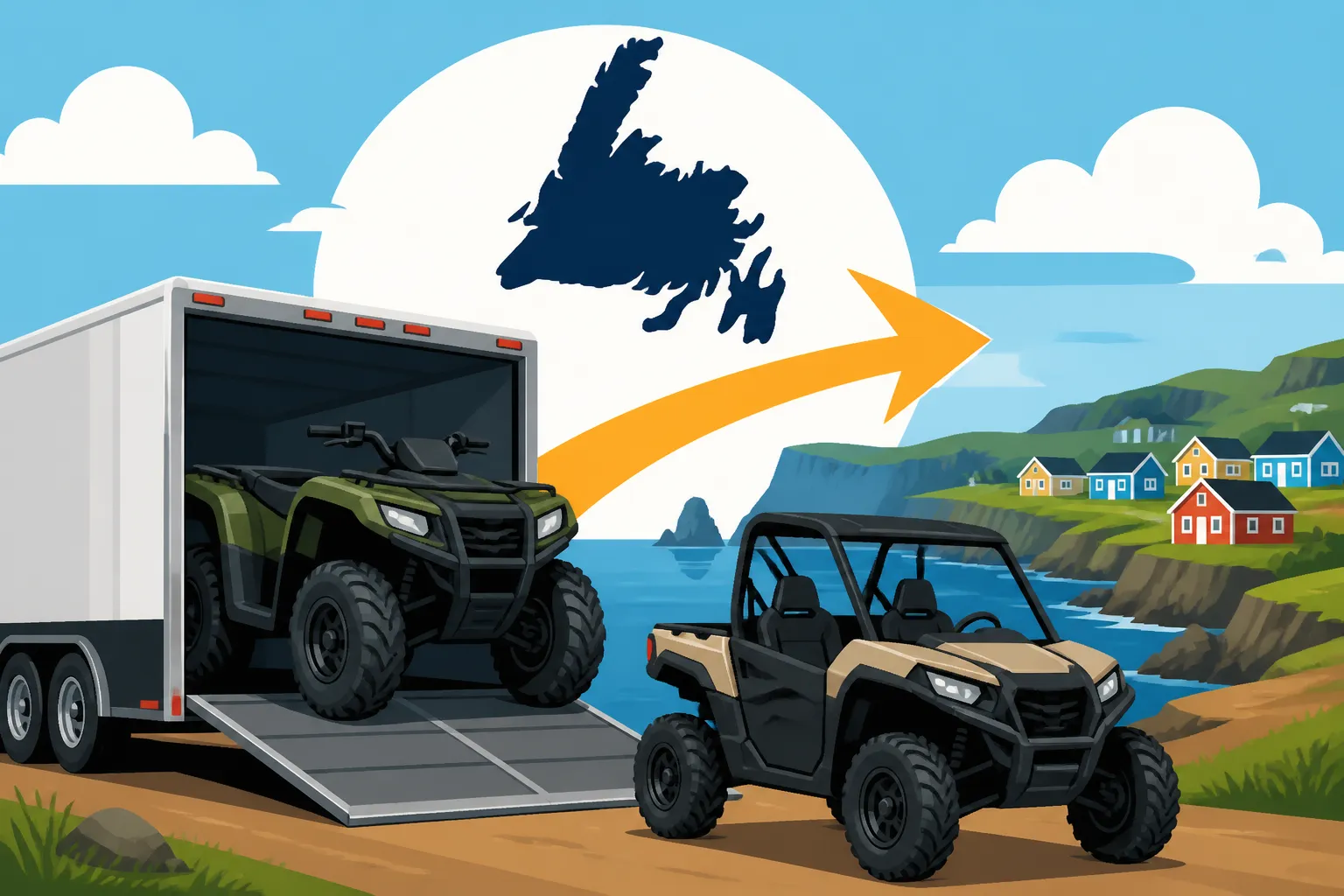
So, you've made the big move to our beautiful island, or perhaps you're planning to, and you're bringing your beloved ATV or side-by-side with you. It's an exciting time, but let's be honest, figuring out the logistics of registering your off-road vehicle (ORV) in a new province can feel like navigating a bog without a map. You've already dealt with the stress of packing, moving, and settling in, and now you're faced with a whole new set of rules for your machine. This guide is here to cut through the confusion and walk you through everything you need to know to get your out-of-province ATV or UTV legally registered in Newfoundland, ensuring you can hit our incredible trails without a hitch.
The Initial Adjustment: Understanding Newfoundland's 90-Day Rule for Your Machine
One of the first things new residents often wonder about is how long they have before they have to register their ORV. It’s a common question, especially when you’re still unpacking boxes and trying to find where you put the coffee maker. Newfoundland has a specific window for new residents bringing in vehicles, and that applies to your off-road machine too.
The Grace Period for Newcomers
If you're making Newfoundland and Labrador your new home, the province gives you a grace period for your off-road vehicle. You have ninety days from the date you establish residency here to get your ATV or side-by-side registered with Motor Registration. This isn't just a suggestion; it's a regulatory requirement. While you might be tempted to put it off, thinking you'll "get to it," it's truly best to tackle this sooner rather than later. Imagine finally getting settled, finding a gorgeous trail, only to realize you're not legally permitted to ride because your 90 days are up. It's a real buzzkill, and nobody wants that. This period allows you to transition without immediate pressure, but it also underscores the importance of eventually getting compliant. You can learn more about this specific requirement in [Newfoundland's 90-Day New Resident Rule].
Why the 90-Day Mark Matters
This 90-day window isn't arbitrary. It’s designed to allow new residents time to get settled, find their way around, and complete necessary administrative tasks like registering vehicles. During this period, your out-of-province registration is generally recognized, provided it's valid in your previous jurisdiction. However, once that 90-day mark passes, your machine is considered unregistered in Newfoundland, which means you can't legally operate it on public land or managed trails. Being caught with an unregistered machine can lead to fines and other complications, which is the last thing you need when you're trying to enjoy your new life here. Think of it as a friendly but firm nudge to get your ducks in a row. It's all about ensuring everyone on our trails is properly accounted for and has met the provincial requirements.
Preparing for Your Registration Appointment
Even within this 90-day window, it's wise to start gathering your documents and preparing for your visit to Motor Registration. Don't wait until day 89! You'll need to schedule an appointment, and sometimes those can take a little while to secure. Use the time wisely to collect all the necessary paperwork, which we'll dive into next. This proactive approach will save you stress and ensure a smooth process when you finally sit down with a registry agent. Taking a quick look at [Newfoundland Registration by Appointment] can give you an idea of how to book that crucial visit.
Gathering Your Paperwork: What You'll Need to Register an Out-of-Province ORV
Now, let's talk about the dreaded paperwork. I know, I know. It's often the most frustrating part of any bureaucratic process. But having everything in order before you head to Motor Registration will make a world of difference. When you're moving from another province, the key is to prove ownership, prove the machine's identity, and confirm your new residency.
Proof of Ownership: The Cornerstone of Registration
The most critical piece of documentation you'll need is proof that you actually own the machine. For an off-road vehicle, this typically means your registration or title document from the province you moved from, along with a bill of sale.
- Previous Registration/Title: This document shows that the machine was legally registered to you in your former province. It usually includes the vehicle identification number (VIN), make, model, and year, along with your name as the owner.
- Bill of Sale: If you purchased the machine in your previous province, you'll need the original bill of sale. This document is vital as it establishes the chain of ownership. Even if you've owned the machine for years, Motor Registration often wants to see this, especially for machines brought from out-of-province. If you've lost your original bill of sale, or perhaps never had a formal one for an older machine, you might need to prepare a new one, or at least a sworn affidavit. Services like LawDepot can be helpful for creating professional, legally sound bills of sale or affidavits if you find yourself in a bind. They offer templates that can make this process a lot less intimidating. [Newfoundland Bills of Sale From Each Owner] explains why this is so important.
Machine Identification: The VIN and Beyond
Just like cars, every ATV and UTV has a unique vehicle identification number (VIN). This number is crucial for confirming the machine's identity and ensuring it hasn't been reported stolen.
- Original Manufacturer's Information: While not always strictly required for a used, out-of-province machine, having the original New Vehicle Information Statement (NVIS) or equivalent manufacturer's certificate of origin can be beneficial, especially if your machine is relatively new. However, for most used machines, your previous registration documents should suffice.
- Physical VIN Verification: Be prepared for Motor Registration to want to verify the VIN on your machine. Sometimes they might ask for a photograph, or in some cases, require you to bring the machine in for a visual inspection. This isn't usually necessary for a standard registration, but it's something to keep in mind, especially if your VIN is difficult to access or unreadable.
Proof of Residency: Establishing Your New Home
Since you're a new resident, you'll need to prove that you genuinely live in Newfoundland and Labrador. This is standard procedure for any vehicle registration.
- Valid Identification: You'll need government-issued photo ID, such as a driver's license. If your driver's license is still from your old province, that's okay for initial identification, but you'll likely need to update it to a Newfoundland and Labrador license soon after.
- Proof of Address: This could be a utility bill (electricity, internet), a rental agreement, or a property deed showing your name and your new Newfoundland address. Make sure the document is recent, typically within the last 30-60 days.
What if You're Missing Documents?
It's a common scenario: you bought your quad years ago, lost the bill of sale in a move, or perhaps it was a gift. Don't panic. Motor Registration has procedures for these situations. Often, you'll need to complete a sworn affidavit, attesting to your ownership and how you acquired the machine. This document is a legal statement made under oath. Again, resources like LawDepot can provide templates and guidance for creating a proper sworn affidavit, making a potentially complex situation much simpler. For detailed information on this, check out [Newfoundland Sworn Affidavits and Indemnity Forms] and [Newfoundland Registration Without a Bill of Sale].
Here’s a quick overview of what you'll likely need:
| Document Category | Specific Item | Notes |
|---|---|---|
| Proof of Ownership | Previous Provincial Registration/Title | Shows you were the legal owner in your former province. |
| Original Bill of Sale | Critical for establishing purchase history. If missing, prepare an affidavit. | |
| Machine Identification | VIN on machine | Physically verify and be ready to provide. |
| Manufacturer's Certificate (if applicable) | For newer machines, if you still have it. Not strictly necessary for older, used machines. | |
| Proof of Residency & ID | Government-issued Photo ID | Driver's license (update to NL soon). |
| Recent Proof of NL Address | Utility bill, rental agreement, property deed. | |
| If Documents are Missing | Sworn Affidavit of Ownership | A legal statement attesting to how you acquired the machine. Templates available from services like LawDepot. |
Navigating the Registration Process for Newcomers
Once you've got your paperwork in hand, the next step is the actual registration. This involves a visit to a Motor Registration office, usually by appointment. It's not as daunting as it might seem, especially if you're prepared.
Booking Your Appointment
As mentioned, scheduling an appointment is usually the first step. You can often do this online or by calling your local Motor Registration office. Specify that you are a new resident bringing in an off-road vehicle from another province, as this might sometimes require slightly different booking procedures or a specific agent. Don't just show up; an appointment ensures you'll be seen and avoids potentially long waits or being turned away.
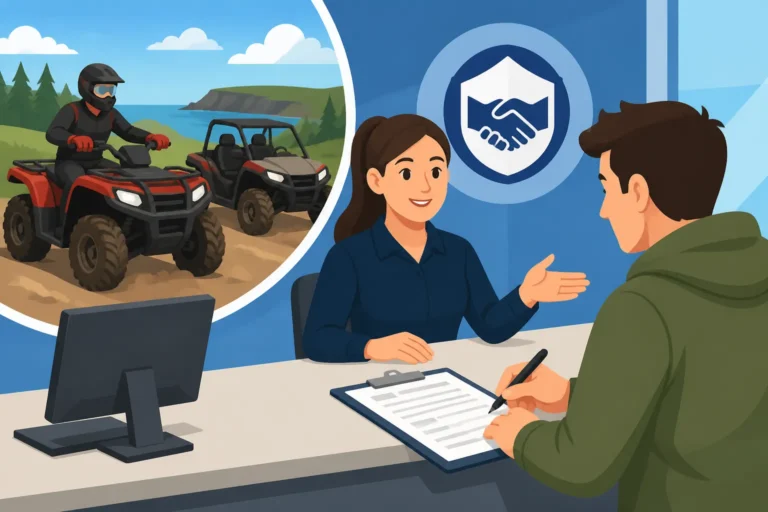
What Happens at the Counter
When you arrive for your appointment, you’ll present all your gathered documents to the registry agent. They will review your previous provincial registration, bill of sale, and proof of identity and residency. They’ll also verify the VIN from your paperwork against their system.
- Review and Verification: The agent will carefully check all your documents for accuracy and completeness. They'll ensure the VIN matches across documents and that your ownership is clearly established.
- Fee Payment: There will be a registration fee. For example, [Newfoundland Charges $95 for an ATV] is the standard fee for a quad. Remember, this is a one-time fee in Newfoundland; your registration doesn't expire as long as you own the machine. You'll pay this fee, and they'll issue your new Newfoundland registration permit and an identification plate.
- Identification Plate: This is the physical plate you'll need to attach to your ORV. It typically has a unique number that corresponds to your registration. Ensure you understand where and how to properly display this plate on your machine; usually, it's clearly visible at the rear.
Understanding Your New Newfoundland Registration
Once registered, your ORV will be officially recognized under [Newfoundland's Off-Road Vehicles Act]. One of the great things about registering an ORV here is that the registration generally lasts as long as you own the machine. There are no annual renewal fees, which is a welcome relief for many riders who are used to yearly renewals in other provinces. This means you pay once, and you're good to go, provided you don't sell the machine or move out of province. [Newfoundland Registration Valid While You Own It] truly simplifies long-term ownership.
Common Hurdles and How to Clear Them When Registering Your Imported Machine
Even with the best preparation, sometimes unexpected issues can pop up. Knowing what these might be and how to handle them can save you a lot of grief.
No Bill of Sale or Unclear Ownership History
This is perhaps the most common challenge when moving an older, out-of-province machine. If you genuinely cannot produce a bill of sale, or if the chain of ownership is broken (e.g., the previous owner you bought it from never formally registered it in their province, or you inherited it without formal paperwork), you'll almost certainly need a sworn affidavit. This legal document, usually witnessed by a commissioner of oaths, states how you came to own the machine. It requires you to declare under oath that you are the rightful owner and how you acquired it. You might also be required to sign an indemnity form, which basically protects the province if any claims of prior ownership arise later. As mentioned, services like LawDepot can provide templates and guidance for drafting these affidavits and indemnity forms, ensuring they meet legal standards.
Machine VIN Issues
Sometimes, the VIN on your physical machine might be unreadable, corroded, or doesn't perfectly match what's on old paperwork. This can be a red flag for the registry. If your VIN is obscured or damaged, you'll need to address this. This could involve trying to clean the area carefully to reveal the numbers, or in more severe cases, getting a verification from a qualified mechanic or law enforcement. It's rare, but the registry needs to be absolutely certain of the machine's identity. They're looking out for everyone's best interest, trying to prevent the registration of stolen property. Always check your VIN before your appointment to avoid delays.
Out-of-Province Liens
While less common for ATVs and UTVs than for cars, it's possible a lien (a legal claim against the machine, often for an unpaid loan) could still be recorded against your machine in its previous province. Motor Registration may sometimes do a check, or you might be asked to provide proof that any such liens have been discharged. It's always a good practice to ensure your machine is free and clear of any financial encumbrances before moving provinces. If you financed your machine, make sure you have documentation from the lender confirming the loan has been fully paid off.
Understanding the Cost
The cost to register your off-road vehicle as a new resident is typically the same as if you were registering a new machine purchased in the province. For most ATVs, this is the $95 fee we talked about earlier. However, the exact amount can vary slightly depending on the type of machine. For example, a trail bike might only cost $5, while a snow groomer is $10. It’s a one-time charge, and it covers the provincial registration and your identification plate. There are no additional taxes on bringing in a machine you already own, as you would have paid sales tax in your original province of purchase. For a full breakdown, [Newfoundland ORV Registration Cost] is a great resource.
| Machine Type | Standard Registration Fee |
|---|---|
| ATV (Quad) | $95 |
| Trail Bike | $5 |
| Snowmobile | $95 |
| Side-by-Side (UTV) | $95 |
| Snow Groomer | $10 |
| Amphibious Machine | $95 |
Keep in mind that while the registration fee is straightforward, you'll also need to factor in your time, potential costs for printing or notarizing documents (like that affidavit from LawDepot), and any fuel expenses if you have to travel a distance to a Motor Registration office.
Moving to a new province is a big undertaking, and bringing your off-road machine with you is part of that journey. By understanding Newfoundland's 90-day rule, meticulously gathering your paperwork, and being prepared for any potential hurdles, you can make the registration process as smooth as possible. Soon enough, your ATV or UTV will be legally registered, plated, and ready to explore the stunning trails and barrens our province has to offer. Welcome to Newfoundland and Labrador – happy riding!
Disclaimer
This article is for general informational purposes only and does not constitute professional advice. Laws, prices and regulations vary by location and change over time. Consult a qualified professional for guidance on your specific situation.