Checking a VIN Against an Older Registration Permit
There's nothing quite like the excitement of finding that perfect used ATV or UTV, imagining all the adventures ahead on Newfoundland's incredible trails. But that excitement can quickly turn into a headache, or even a nightmare, if you don't take the time to verify the machine's identity. One of the most crucial steps often overlooked is meticulously checking the Vehicle Identification Number (VIN) against any older registration permits. This guide will walk you through why this check is non-negotiable, how to do it thoroughly, and what to do if you uncover any red flags, ensuring your next off-road purchase is smooth sailing.
Why This VIN Check Isn't Just "Good Practice"—It's Essential
When you're shelling out good money for a used off-road vehicle, the last thing you want is to discover you've bought someone else's problem. Checking the VIN against an older registration permit isn't just a bureaucratic step; it's a vital layer of protection for your investment and your peace of mind. Failing to do this simple verification can lead to a host of frustrating, expensive, and even legally perilous situations down the road.
Avoiding Stolen Machines and Fraud
Imagine buying a machine, spending money on upgrades, and then having it seized by the RCMP because the VIN on the frame doesn't match the history, revealing it was stolen. It’s a gut-wrenching scenario that happens more often than you might think. A mismatched VIN on a previous registration document could indicate that the machine was tampered with, reported stolen, or is part of a larger fraudulent scheme. Someone might try to sell a stolen machine with a fake bill of sale or an altered VIN. By carefully comparing the VIN on the machine to any old permits, you're looking for discrepancies that could alert you to a vehicle with a problematic past. You don't want to inadvertently become involved in handling stolen property, which can lead to losing your money, the machine, and potentially facing legal ramifications yourself.
Ensuring a Smooth Transfer of Ownership
In Newfoundland, registering your newly acquired ATV or UTV is a critical step before you can legally ride it off your property. If the VIN you present at Motor Registration doesn't perfectly match the ownership history they have on file, your transfer will grind to a halt. This could be due to a simple typo on an old permit, or something far more serious. The staff at Motor Registration are there to ensure legitimate ownership, and any inconsistencies in the VIN will raise immediate red flags. You'll be sent home, unable to complete your registration, and left scrambling to sort out documentation issues that could have been identified before the sale. This often means trying to track down a seller who might suddenly become unreachable, or spending countless hours trying to prove the machine is yours. When you're dealing with official paperwork like a bill of sale, or even an affidavit if the original documents are lost, it’s imperative that the VIN is consistent. You can find useful templates for these kinds of documents from services like LawDepot, which can help ensure all the necessary details, including the correct VIN, are included. Without a clear chain of ownership and a matching VIN, you won't get your new plate or permit, leaving your machine stuck in the driveway. [Newfoundland Transfer of Ownership Steps] often hit a snag here.
Protecting Your Investment and Future Value
An ATV or UTV is a significant investment, and like any other asset, its value is tied to its clear title and verifiable history. A machine with a questionable VIN, or one that has required extensive paperwork gymnastics to register, will always carry a stigma. When it comes time for you to sell that machine down the road, prospective buyers will likely perform their own due diligence, and any past VIN discrepancies will surface, making your machine much harder to sell. It might even significantly reduce its resale value, as buyers will be hesitant to take on potential problems. A clean, verified VIN history ensures that your machine retains its value and that you can confidently transfer it to a new owner when the time comes. Think of it as investing in the long-term health and liquidity of your off-road asset; a straightforward history is always more attractive than one fraught with questions. [What Happens to Your Registration When You Sell] becomes much easier with a clear VIN.
How to Meticulously Cross-Reference Your VIN
Performing a thorough VIN check isn't complicated, but it requires patience and attention to detail. It's about more than just a quick glance; it's a systematic comparison to ensure every character lines up. This process can save you from a lot of heartache and expense down the line.
Locating the VIN on Your Machine
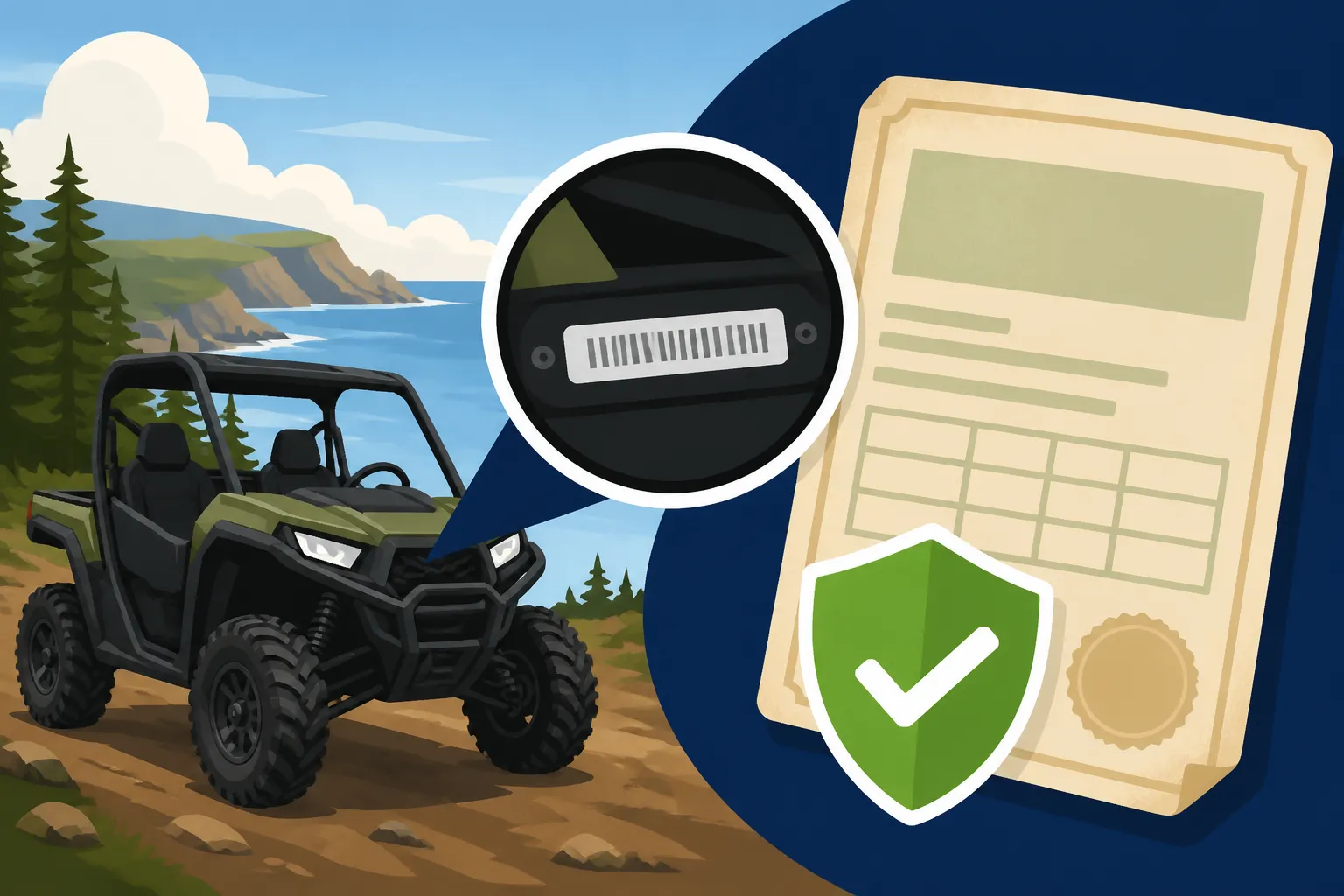
The first step is to physically locate the VIN on the ATV or UTV itself. This isn't always obvious, as manufacturers place them in different spots, and they can often be obscured by dirt, mud, or wear.
- ATVs: On most ATVs, the VIN is typically stamped into the frame, often near the front suspension, on the left-hand side of the steering neck, or on a cross-member under the seat. Sometimes it’s on the engine casing or a tag attached to the frame.
- UTVs/Side-by-Sides: For UTVs, you'll often find the VIN on the frame, usually visible from the driver's side front wheel well, on the dashboard (often on a small plate), or beneath the driver's seat.
Before you start looking, make sure you have good lighting. You might need a brush or a rag to clean off any accumulated mud, grease, or paint to reveal the characters clearly. Some VINs might be on a small metal plate that's riveted or welded on, while others are directly stamped into the metal frame. Take a photograph of the VIN once you've located it, ensuring it's clear and readable. [Newfoundland Plates Kept Free of Mud] reminds us that visibility is key, even for the VIN.
Examining the Older Registration Permit
Once you have the VIN from the machine, you need to compare it against the previously issued registration permit. The seller should provide this document. If they claim it's lost, that's a red flag in itself, though not necessarily a deal-breaker if they are willing to go through the proper steps like providing a sworn affidavit, which you can often find templates for through services like LawDepot.
When you have the permit, look for the section that lists the Vehicle Identification Number. It will usually be clearly labelled. Also, pay attention to other details on the permit, such as the year, make, and model of the machine. These details should also match what you see on the actual ATV or UTV, and what the seller is telling you. If the permit is a photocopy, be extra vigilant, as details can be blurred or altered. Always ask for the original document if possible. [Newfoundland Registration Paperwork Explained] goes into more detail about these documents.
The Comparison Process: Character by Character
This is where you need to be meticulous. Don't just glance at the VINs and assume they match. Each VIN is a 17-character alpha-numeric code (for machines manufactured after 1981), and every single character matters.
- Read Aloud: Read the VIN from the machine aloud, character by character, while simultaneously following along on the registration permit.
- Look for Common Confusions: Pay close attention to characters that often get mistaken for each other:
- The number "0" (zero) versus the letter "O"
- The number "1" (one) versus the letter "I" or "L"
- The number "8" versus the letter "B"
- The number "2" versus the letter "Z"
- The letter "U" versus the letter "V"
- Count the Characters: Ensure both VINs have exactly 17 characters. If one is shorter or longer, something is definitely wrong.
- Verify Model Year (10th character): The 10th character of the VIN often indicates the model year of the vehicle. While there are charts online for decoding this, simply ensuring it aligns with the year stated on the permit and by the seller is a good start.
If you are [Buying From a Private Seller in Newfoundland], a meticulous VIN check is your best defense against potential issues. Make sure your bill of sale, perhaps drafted using a LawDepot template, accurately reflects the VIN you've verified.
Navigating Discrepancies and Doubts
Even with the best intentions, you might find a discrepancy. Not all mismatches mean nefarious activity, but they all warrant careful investigation. Knowing how to react can save you a lot of hassle and potential financial loss.
Minor Typos vs. Major Red Flags
Sometimes, a VIN on an old permit might have a single transposed digit or an incorrect letter due to a clerical error at the time of original registration. This is a minor typo, and while inconvenient, it might be correctable with an affidavit and a visit to Motor Registration. However, if multiple characters are off, entire sections of the VIN don't match, or the VIN on the permit is completely different from the one on the machine, you're looking at a major red flag.
- Minor Typos (e.g., 1234567890ABCDEFG vs. 1234567890ABCDEGG): A single character difference. This might be resolvable if the seller can provide a reasonable explanation and is willing to sign a sworn affidavit, stating the machine's true VIN and the error on the previous document. [Newfoundland Sworn Affidavits and Indemnity Forms] are designed for such situations.
- Major Red Flags (e.g., completely different VINs, tampered VIN plate): This is where you need to be extremely cautious. It could indicate a stolen vehicle, a re-VINNED machine (where a stolen machine is given new identification), or serious fraud. In these cases, it's best to walk away from the deal. Your safety and financial security are paramount.
What to Do If Things Don't Match Up
If you find a discrepancy, whether minor or major, do not proceed with the sale until it's fully resolved.
- Ask the Seller for an Explanation: Start by politely asking the seller about the discrepancy. They might have a legitimate explanation, such as a known clerical error that was never corrected, or perhaps they have additional documentation you haven't seen yet.
- Contact Motor Registration: You can often call your local Motor Registration office (or visit them with the seller if they are cooperative) to inquire about the VIN. They can check their records against the VIN from the machine and the one on the permit. Be aware they may not give out full details without the machine's registered owner present, but they can confirm if a VIN is legitimate or if it's been flagged.
- Involve Law Enforcement: If you suspect the machine is stolen or that fraud is being attempted, do not confront the seller directly. Instead, discreetly contact the Royal Newfoundland Constabulary (RNC) or the RCMP. Provide them with the VIN, the seller's information (if you have it), and details of your findings. They can check against stolen vehicle databases.
- Seek Legal Advice: For complex situations, especially if you're dealing with a significant investment or the seller is pushing back, it might be wise to consult with a lawyer. They can advise you on your rights and the best course of action.
Remember, if a deal feels too good to be true, or if the seller is rushing you and unwilling to address concerns, it probably is. There are plenty of legitimate machines for sale. [Newfoundland Machines With No Paperwork] outlines the challenges of such situations.
The Importance of a Clear Bill of Sale
Even if the VIN checks out perfectly, a clear and comprehensive bill of sale is your next line of defense. This document legally transfers ownership from the seller to you and should explicitly state the machine's VIN, make, model, year, and the purchase price. A well-drafted bill of sale, especially one that includes declarations from the seller about the machine's clear title and absence of liens, provides legal recourse if problems arise later.
You can find robust templates for a bill of sale on platforms like LawDepot. Ensure both you and the seller sign it, and it's always a good idea to have a witness present. Having a clear bill of sale protects you not just during the transfer of ownership at Motor Registration, but also in case of any future disputes. [Newfoundland Bills of Sale From Each Owner] emphasizes the need for a complete paper trail.
Here's a quick comparison of what to look for:
| Feature | Matching VIN Scenario | Discrepancy Found Scenario |
|---|---|---|
| VIN on Machine | Clearly visible, matches permit | Hard to read, appears tampered, doesn't match permit |
| VIN on Permit | Clear, matches machine and other details | Blurry, different characters, year/make also mismatched |
| Seller's Reaction | Cooperative, willing to provide documents, answers questions openly | Defensive, avoids questions, rushes sale, claims "lost papers" |
| Action to Take | Proceed with caution, verify other details, get good bill of sale | DO NOT PROCEED. Investigate immediately. Consider walking away. |
| Potential Outcome | Smooth registration, peace of mind, good resale value | Registration denied, legal issues, financial loss, stress |
Best Practices for a Worry-Free Purchase
Buying a used ATV or UTV should be an exciting experience, not a source of anxiety. By taking a few extra steps and being prepared, you can significantly reduce your risks and ensure your new machine brings you years of enjoyment on Newfoundland's scenic trails.
Beyond the VIN: Other Checks to Perform
While the VIN check is paramount, it's just one piece of the puzzle. A truly worry-free purchase involves a more comprehensive due diligence:
- Lien Search: Before money changes hands, perform a lien search on the VIN. This will tell you if there’s any outstanding financing on the machine. If there is, the seller doesn’t fully own it, and you could end up responsible for their debt. Motor Registration can sometimes assist with this, or you can use a private service. [Newfoundland Registration and Lien Records] explains why this is so important.
- Physical Inspection: Don't just look at the VIN; thoroughly inspect the entire machine. Look for signs of major damage, poor repairs, excessive wear, or any indications that the machine has been abused. Check the engine, suspension, tires, and electrical components. If you're not mechanically inclined, consider paying a trusted mechanic to inspect it for you.
- Verify Seller Identity: Ensure the person selling the machine is the legal owner as per the registration permit. Ask for photo identification and compare the name on the ID to the name on the permit. If they are selling for someone else, ask for a notarized letter of authorization.
- Test Ride: If possible and safe, take the machine for a test ride (with the owner's permission and in a legal riding area). This will give you a feel for its performance and help identify any hidden mechanical issues.
- Check Against Stolen Vehicle Records: In addition to comparing VINs, you can ask law enforcement to run the VIN through their stolen vehicle database. This is a crucial step to avoid buying a "hot" machine. [Checking a Used Machine Against Stolen Vehicle Records] is a must-do.
The Role of Official Paperwork
Always insist on receiving original documents whenever possible. A photocopy of a registration permit or a bill of sale can be easily altered or faked. When you receive the original registration permit from the seller, check for watermarks, official stamps, or other security features that verify its authenticity. Keep all your purchase documents, including the bill of sale, the old registration permit, and your new registration, in a safe place. These documents are your proof of ownership and are essential for any future transactions or inquiries. Services like LawDepot can assist in creating legally sound bills of sale, adding an extra layer of protection.
When to Walk Away
Sometimes, despite all your efforts, a deal just doesn't feel right. The seller might be evasive, the paperwork might be incomplete, or you might find too many red flags during your inspections. In these situations, your best course of action is to walk away. It can be tough, especially if you've fallen in love with a particular machine, but a bad deal can cost you far more than just the purchase price. Trust your gut feeling. There are always other ATVs and UTVs out there that come with clear titles, complete paperwork, and transparent sellers. Your financial security and peace of mind are worth more than any single machine. [Newfoundland Registration Questions Riders Ask] often revolve around these very concerns, highlighting how common these dilemmas are. Even if you're excited about the prospect of riding the T'Railway or exploring Gros Morne's approved areas, a legitimate purchase is foundational. [Newfoundland Charges $95 for an ATV] is the standard fee for a new registration; don't pay it on a machine with a questionable past.
Disclaimer
This article is for general informational purposes only and does not constitute professional advice. Laws, prices and regulations vary by location and change over time. Consult a qualified professional for guidance on your specific situation.